Taking a painkiller once in a while for headache is generally safe. However, if you take it frequently, it can actually worsen your headache over time and lead to a condition called medication-overuse headache. If headaches keep coming back, especially migraine, it is important to understand the cause instead of depending only on medicines.
What is Migraine?
Migraine is not just a normal headache. It is a neurological condition where a person gets repeated episodes of severe head pain.
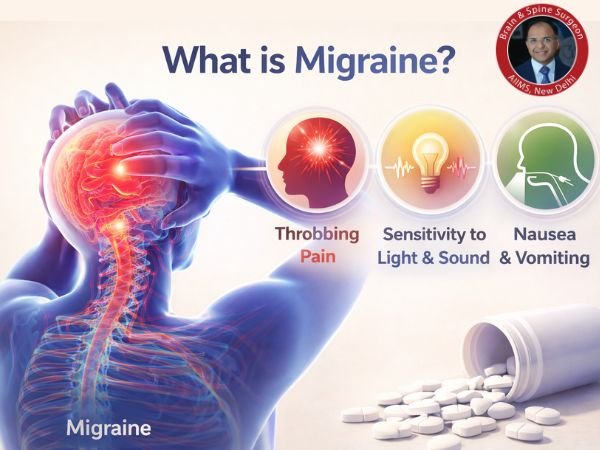
Usually, the pain:
- Happens on one side of the head
- Feels like throbbing or pulsating
- Can last for hours or even days
Many people also experience:
- Nausea
- Sensitivity to light and sound
- Difficulty doing daily work
Migraine can affect work, mood, and overall quality of life if not managed properly.
How Does Migraine Work?
Migraine happens because of changes inside the brain. These include:
- Nerve signal imbalance
- Changes in blood flow
- Chemical activity in the brain
Because of these changes, the brain becomes more sensitive to light, sound, and other triggers. That is why migraine pain feels stronger than a regular headache.
Related Post: Break Free from Migraines: From Symptoms to Solutions
Common Symptoms of Migraine
Here are some signs that your headache might be migraine:

- Severe, throbbing head pain
- Sensitivity to sunlight or bright lights (photophobia)
- Discomfort from flashing lights or screens
- Nausea or vomiting
- Feeling tired or weak
According to Dr. Deepak Agrawal, who discussed migraine in a health segment on News24, light exposure is one of the most common triggers that can make migraine worse.
What Causes Migraine?
Migraine triggers are different for every person. Some common causes include:
- Stress and mental pressure
- Lack of sleep or irregular sleep
- Bright sunlight or screen exposure
- Certain foods (like processed or sugary foods)
- Weight gain
- Hormonal changes (especially in women)
One important point shared by Dr. Agrawal is that every person should identify their own triggers. What causes migraine in one person may not affect another.
Is Taking Painkillers for Headache Safe?

This is the most common question.
 When It is Safe
 When It is Safe
- When taken occasionally
- In the right dose
- Under medical guidance
When It Becomes Risky
 When It Becomes Risky
- When taken daily or very frequently
- When used without knowing the cause
- When used as the only solution
Taking too many painkillers can lead to:
- Rebound headaches
- Reduced effectiveness of medicines
- Long-term health issues
Related Post: When is Headache Dangerous? Warning Signs, Causes and When to See a Doctor
So, painkillers are a temporary solution, not a permanent fix.
How to Treat Migraine Properly
Instead of depending only on tablets, migraine should be managed in a proper way.
1. Lifestyle Changes
Simple habits can make a big difference:
- Sleep on time every day
- Drink enough water
- Reduce stress
- Avoid too much screen time
2. Identify Your Triggers
Keep track of when your headache happens and what might have caused it.
3. Medical Treatment
Doctors may suggest:
- Preventive medicines
- Medicines during migraine attacks
In severe cases, as mentioned by Dr. Deepak Agrawal during the News24 discussion, advanced treatments like nerve stimulation (Vagus nerve or Occipital nerve stimulation) can be used for patients who do not respond to medicines.
Does Migraine Damage the Brain?
Many people worry about this.
The answer is:
Migraine usually does not damage the brain.
However, if:
- The headache is very unusual
- Or suddenly becomes very severe
Then you should consult a doctor to rule out other serious conditions.
Why is Migraine More Common in Women?
Migraine is seen more in women due to:
- Hormonal changes
- Higher stress levels
- Possible exposure to chemicals (like cosmetics)
- Genetic factors
These factors increase the chances of migraine in women compared to men.
Why You Should Not Ignore Migraine
Ignoring migraine can lead to:
- Frequent headache attacks
- Poor work performance
- Mental stress and frustration
Early management helps reduce frequency and severity.
Real-Life Example
A young working professional used to take painkillers almost daily for headaches. Later, he realized that his migraine was triggered by lack of sleep and long screen hours.
After improving his routine:
- His headaches reduced significantly
- He stopped taking daily medicines
This shows that understanding the cause is more important than just taking pills.

FAQs
1. Can I take painkillers every day for headache?
No, daily use can worsen headaches and cause rebound headaches.
2. How do I know if I have migraine?
If your headache includes nausea, light sensitivity, and severe pain, it could be migraine.
3. Can sunlight trigger migraine?
Yes, bright light is a common trigger.
4. Is migraine dangerous?
Usually not, but it should not be ignored.
5. Can migraine be cured completely?
It may not be fully cured, but it can be controlled.
6. When should I see a doctor?
If headaches are frequent, severe, or unusual.
Conclusion
Taking painkillers for headache is okay sometimes, but it is not a long-term solution.
The right way to manage migraine is:
- Understand your triggers
- Improve your lifestyle
- Take proper medical advice
Migraine is manageable if handled correctly. Ignoring it or overusing medicines can make things worse.