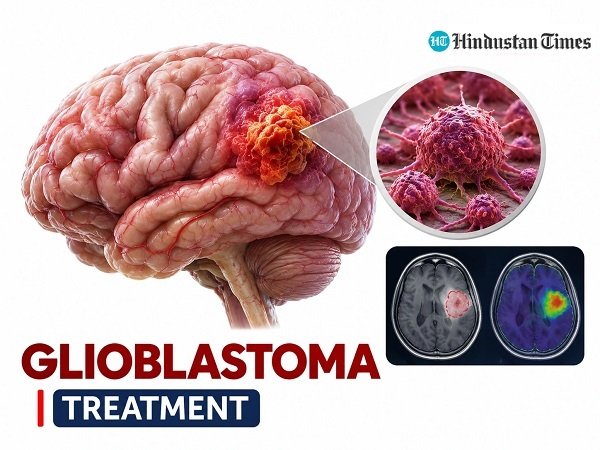
Glioblastoma is widely recognized as one of the most aggressive and fast-growing primary malignant brain tumors in adults. Recently, a breakthrough pilot study led by AIIMS Delhi neurosurgeons—featuring Dr. Deepak Agrawal as the lead author and published in the journal Interdisciplinary Neurosurgery: Advanced Techniques and Case Management—has introduced a novel protocol combining single-day Gamma Knife radiosurgery with low-dose bevacizumab. This approach aims to control tumor progression and turn prolonged hospital wait times into active treatment periods. You can read more about this coverage in the official Hindustan Times e-paper report.
To get a comprehensive, expert breakdown of glioblastoma, its diagnosis, and modern management strategies, watch the video below:
Understanding Glioblastoma: What is It?
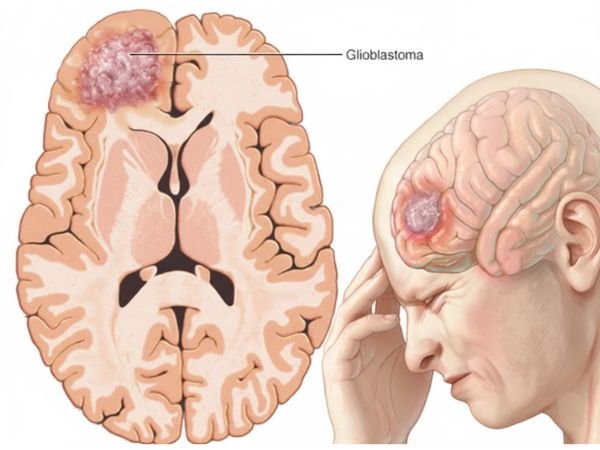
Glioblastoma is an aggressive type of brain cancer that originates from the supportive glial cells of the central nervous system. One of its most dangerous characteristics is its ability to infiltrate surrounding healthy brain tissue, making complete surgical eradication extremely challenging. Due to its rapid growth rate, early detection and immediate medical evaluation are crucial.
Key Clinical Symptoms to Watch For
Because glioblastoma can develop in different regions of the brain, symptoms vary depending on the tumor’s exact location. Common clinical indicators include:
- Persistent and worsening headaches
- Onset of seizures
- Unexplained progressive body weakness
- Speech or communication difficulties
- Sudden changes or disturbances in vision
Diagnosis through Advanced MRI Scans
Accurate clinical diagnosis begins with high-resolution MRI scans to map the precise dimensions and borders of the mass. To confirm the pathology and grade of the tumor, detailed brain biopsy procedures are often required.
Neurosurgical Intervention & Radiotherapy
The primary goal of neurosurgery is maximum safe resection—removing as much of the tumor as safely as possible via brain tumor removal surgery while protecting critical neurological functions. Following surgery, radiation therapy is typically administered to target remaining microscopic tumor cells.
The AIIMS Breakthrough: At major tertiary government centers like AIIMS, high patient volumes can sometimes extend waiting lists beyond three months. For fast-growing tumors like glioblastomas, this delay can severely impact survival. The pioneering technique developed by Dr. Deepak Agrawal and his team uses upfront Gamma Knife in glioblastoma management combined with targeted drug therapy to slow down tumor progression and reduce blood supply before open surgery takes place[cite: 2].
Chemotherapy and Molecular Markers (MGMT & IDH)
- Temozolomide: A standard chemotherapy medication frequently integrated alongside radiotherapy protocols.
- Molecular Biomarkers: Testing for genetic markers such as MGMT promoter methylation and IDH mutation status provides essential prognostic information to customize individual treatment plans.
- Multidisciplinary Approach: Managing complex gliomas effectively requires close collaboration among neurosurgeons, radiation oncologists, and medical oncologists.
Supportive Care and Regular Medical Review
Because glioblastomas can occasionally recur following initial treatment, structured follow-up routines involving regular MRI monitoring and timely medical reviews are indispensable. Additionally, comprehensive supportive care, symptom management, and rehabilitation play a vital role in preserving the patient’s overall quality of life.
Expert Consultation: Timely diagnosis and expert guidance can change outcomes. To consult with specialists or learn more about advanced brain surgery expectations and care, visit drdeepakaiims.com.