Every second matters in the stressful setting of a trauma emergency room. Timely intervention and prompt diagnosis can be the difference between life and death. AI is currently transforming the way hospitals handle critically injured patients in trauma emergency rooms.
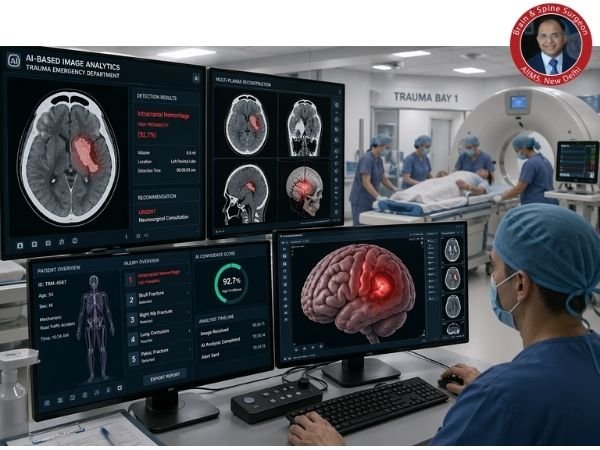
Hospitals are increasing patient outcomes, decreasing delays, and improving diagnostic accuracy using AI healthcare process automation. AI-based image analytics is one of the most significant developments, changing the real-time interpretation and application of radiological data.
Everything you needs to know about how AI is changing trauma treatment workflows is covered in this guide.
AI-Based Image Analytics: What Is It?
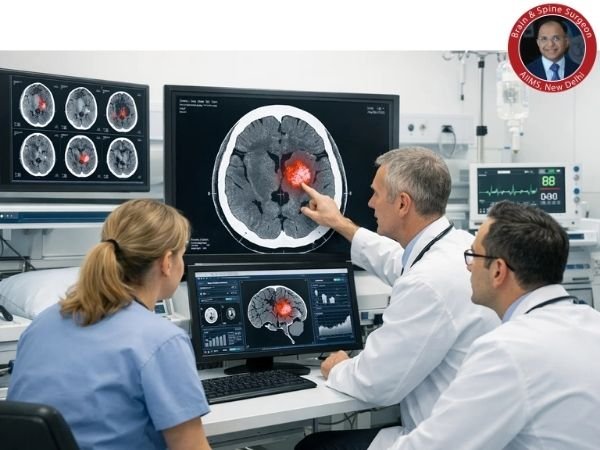
The term AI-based image analytics describes the application of AI algorithms to medical image analysis, including:
- CT scans
- MRIs
- X-rays
- Images from ultrasound
To rapidly and precisely identify anomalies, these systems are trained on thousands or even millions of medical pictures.
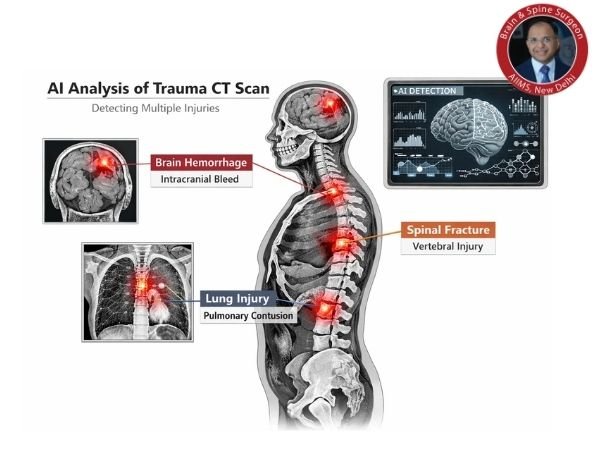
In trauma settings, AI helps identify:
- Haemorrhages in the brain
- Fractures of the skull
- Spinal injuries
- Internal bleeding
- Damage to organs
The foundation of emergency department data analytics is this technology, which makes healthcare evaluations quicker and more accurate.
Why Does AI Matter in Trauma Emergency Rooms?
Trauma care is complicated and time-sensitive. Conventional workflows frequently include:
- Imaging was done
- Interpretation by radiologists
- The clinician received the report
- Treatment was started
Despite its effectiveness, this procedure can be time-consuming, particularly during busy times.
AI-based image analytics greatly speeds up this step in hospital workflow:
- AI quickly analyses images
- Highlights important findings
- Notifies physicians in real time
- Gives critical cases priority
This results in enhanced trauma treatment optimisation using AI and quicker diagnosis.
How AI Automates Healthcare Workflows
The following procedures allow AI to be smoothly incorporated into emergency department workflow:
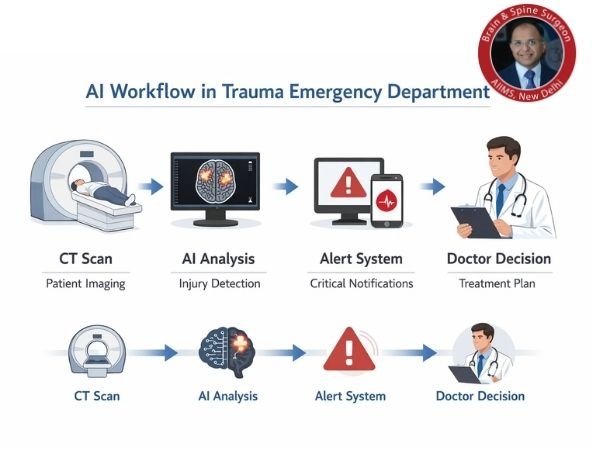
1. Capturing Images
Imaging (such as a CT scan) is done as soon as a trauma patient arrives.
2. AI Analysis in Real Time
In a few seconds, AI algorithms examine the pictures to find abnormalities.
3. Flagging Priorities
Brain bleeds and other critical situations are automatically marked and moved to the top of the radiologist’s queue.
4. Real-Time Alerts
Physicians are notified of urgent results via their mobile devices or systems.
5. Assistance with Clinical Decisions
AI offers insights that help physicians make quicker, better decisions.
This simplified approach, which eliminates delays and human bottlenecks, is an example of AI healthcare workflow automation.
AI’s Main Advantages in Trauma Emergency Rooms
1. Quicker Diagnosis
AI shortens the time to therapy by identifying potentially fatal illnesses in a matter of seconds.
2. Enhanced Precision
By spotting minute irregularities that a human reviewer might overlook, AI reduces human error.
3. Effective Management of Workflow
AI enhances patient flow and emergency department data analytics by giving priority to essential situations.
4. Less Work for Physicians
Instead than concentrating on repetitious analysis, radiologists and emergency physicians can concentrate on making decisions.
5. Improved Patient Results
Survival rates are greatly increased when early identification results in prompt therapy.
Practical Uses in Trauma Treatment
Image analytics powered by AI-based image analytics is already utilised in:
- Identifying cerebral haemorrhage in head injury situations in a matter of seconds
- Patients with polytrauma: Recognising several injuries at once
- Spinal trauma: Emphasising alignment problems and fractures
- Identifying lung contusions or pneumothorax in cases of chest trauma
These applications are essential to employing AI to optimise trauma care.
AI’s Function in Neurosurgical Emergencies
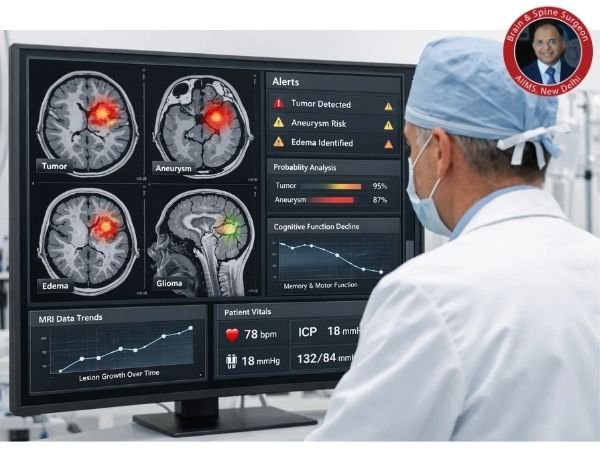
Time is of the essence in neurosurgery, particularly in situations such as:
- TBI, or traumatic brain injury
- Subdural or epidural haematoma
- Axonal damage that is diffuse
AI assists by:
- Quickly recognising bleeding
- Measuring the size of haematomas
- Monitoring development throughout time
This makes it possible for neurosurgeons to act more quickly and accurately.
Obstacles and Restrictions
AI has many advantages, but there are drawbacks as well:
1. Dependency on Data
Large datasets are necessary for accurate training of AI systems.
2. Problems with Integration
In order to incorporate AI into current systems, hospitals must have the right infrastructure.
3. Regulatory Issues
Strict medical safety and compliance requirements must be met by AI tools.
4. Human Supervision Is Still Required
AI complements clinical judgement, not replaces it.
AI’s Potential for Hospital Workflow
AI in hospital workflow appears to have a bright future because to developments like:
- Analytical prediction for patient decline
- Systems for automated triage
- AI-powered therapy scheduling
- Real-time monitoring and wearable device integration
AI healthcare workflow automation will become a crucial part of contemporary trauma care as technology advances.
Conclusion
The way trauma emergency rooms operate is changing because to AI-based image analytics. AI in trauma emergency rooms is raising the bar for patient care by facilitating quicker diagnosis, increasing accuracy, and optimising workflows.
The future of trauma care will be quicker, more intelligent, and more effective as hospitals continue to implement AI healthcare workflow automation, ultimately saving more lives.
FAQ’s
What does artificial intelligence mean for trauma emergency rooms?
Artificial intelligence (AI) in trauma emergency rooms refers to the application of AI to help diagnose and treat trauma patients, particularly through workflow automation and quick picture processing.
How does AI enhance the workflow of emergency rooms?
By rapidly evaluating medical images, prioritising important cases, alerting physicians, and cutting down on diagnosis and treatment delays, artificial intelligence (AI) enhances workflow.
Is AI more precise than medical professionals?
AI is quite good at spotting certain patterns in images, but it functions best when paired with medical knowledge. It is not a substitute, but rather an aid.
Can AI swiftly identify brain damage?
Indeed, AI can identify diseases like brain haemorrhage in a matter of seconds, allowing for quicker treatment in life-threatening circumstances.
Is using AI in hospitals safe?
Indeed, in order to guarantee patient safety, AI systems used in healthcare must pass stringent testing and receive regulatory certification.
Will AI take the place of medical professionals in emergency rooms?
No, AI is not meant to replace doctors; rather, it is meant to support them. While physicians make the final clinical decisions, it improves accuracy and efficiency.