Traumatic Brain Injury (TBI) is more than just a brain injury; it causes a series of complicated bodily alterations. Traumatic Endotheliopathy (TE) is one of the most serious yet little-known effects. The thin inner lining of blood arteries, known as the endothelium, is impacted by this illness, which can have major consequences such irregular clotting, bleeding, and organ dysfunction.
Patients and carers can better understand the significance of traumatic endotheliopathy in brain injury recovery and outcomes.
Traumatic Endotheliopathy: What is it?
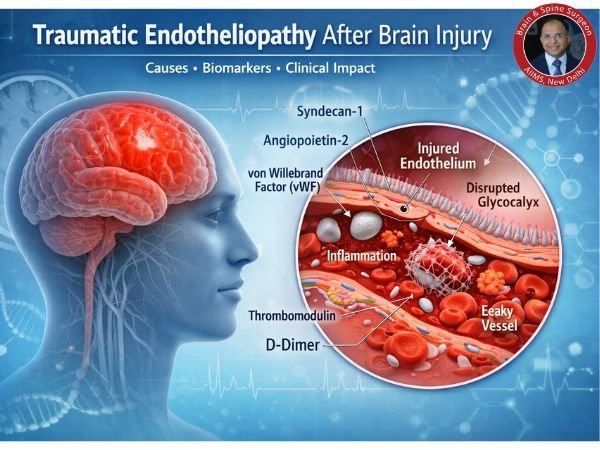
Damage and dysfunction of the blood vessel lining after trauma, especially after brain injury, is referred to as traumatic endotheliopathy.
The endothelium is essential for:
- Controlling blood flow
- Keeping the right mix of clotting
- Reducing inflammation
If this fragile lining is damaged, it may result in:
- Prolonged bleeding
- Creation of hazardous clots
- An increase in inflammation
- Inadequate tissue oxygen supply
Reasons for Traumatic Endotheliopathy Following Brain Trauma
After a traumatic brain injury, several pathways might cause traumatic endotheliopathy:
Direct Damage to Blood Vessels
- Small blood arteries in the brain are harmed by physical trauma.
- Causes the endothelium layer to leak and become disrupted.
The Inflammatory Reaction
- After an injury, the body releases substances that cause inflammation.
- These compounds exacerbate endothelial damage.
Clotting disorders, or coagulopathy
- Imbalance between the production and disintegration of clots
- Can simultaneously result in clotting and haemorrhage.
Low oxygen levels, or hypoxia
- Endothelial damage is exacerbated by a reduced oxygen supply.
- Frequent in severe brain injury
Reaction to Systemic Stress
- Stress mediators and hormones are triggered by trauma.
- These may affect the body’s circulatory system.
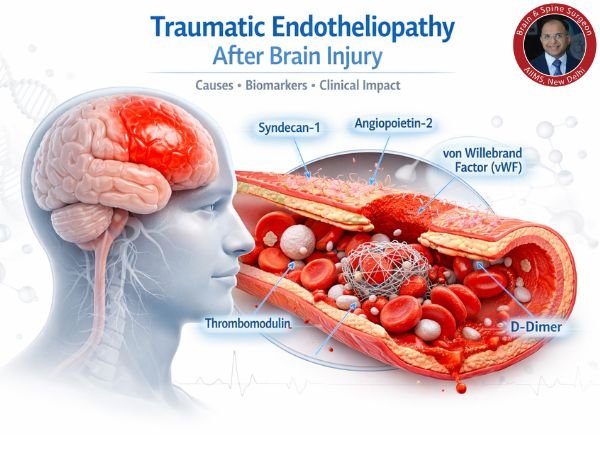
Important Traumatic Endotheliopathy Biomarkers
Biomarkers are quantifiable blood indications that aid medical professionals in determining the degree of endotheliopathy.
Key Biomarkers Consist of:
Syndecan-1
- Shows endothelial glycocalyx (protective layer) deterioration.
Angiopoietin-2
- Connected to leaks and vascular instability
Factor von Willebrand (vWF)
- Reflects coagulation dysfunction and endothelial activation.
Thrombomodulin
- Endothelial cell damage marker
D-dimer
- Shows an unusual disintegration of the clot
Physicians benefit from these biomarkers:
- Forecast issues
- Determine the extent of the injury
- Direct the choice of treatment
Clinical Impact: The Significance
Following brain damage, traumatic endotheliopathy has a major impact on patient outcomes.
- A higher chance of bleeding
- Weak blood arteries could leak
- Might exacerbate bleeding and oedema in the brain
- Unusual Formation of Clots
- Blood flow may be blocked by clots.
- May result in organ damage or a stroke.
- Dysfunction of Multiple Organs
- The brain is not the only organ affected by endothelial degradation.
- Can impact the heart, kidneys, and lungs.
- Inadequate Neurological Healing
- Brain repair is delayed by reduced blood flow.
- Increased Risk of Death
- Poorer results are associated with severe endotheliopathy.
Traumatic Endotheliopathy Diagnosis
Physicians use a combination of methods to diagnose TE.
- Clinical evaluation (injury severity, symptoms)
- Blood testing (above-mentioned biomarkers)
- Imaging (CT scan, MRI for assessment of brain damage)
- Coagulation tests (to evaluate problems in clotting)
For better results, early detection is essential.
Management and Treatment
The goal of management for traumatic endotheliopathy is to stabilise the patient and avoid complications, although there is currently no one effective treatment.
Important Methods of Treatment:
- Enhancing the availability of oxygen
- Managing clotting and bleeding
- Resuscitation of fluids (careful balancing)
- Using blood products when necessary
- Research on targeted medicines
New Treatments:
- Endothelial protective medications
- Anti-inflammatory medications
- Biomarker-based precision medicine
Strategies for Prevention
The likelihood of serious complications can be decreased, even if not all cases can be avoided:
- Early hospital treatment following a head injury
- Appropriate observation in intensive care units
- Prompt surgical intervention if necessary
- Preventing treatment delays
When Should You Get Medical Assistance?
Get medical help right away if someone has:
- Diminished awareness
- An intense headache
- Vomiting following a head injury
- Perplexity or changed conduct
- Speech weakness or difficulty
Early intervention has the potential to save lives.
In conclusion
One serious but little-known side effect of brain damage is traumatic endotheliopathy. It has a significant impact on the body’s circulatory system, which is crucial for survival and recuperation.
Our knowledge and treatment of this illness are being improved by developments in biomarker research and targeted treatments. Better results depend on early diagnosis, timely medical attention, and specialised therapy.
FAQ’s
- Is traumatic endotheliopathy frequent following brain injury?
Yes, especially in moderate to severe traumatic brain injuries. It typically goes unnoticed but plays a big influence in difficulties.
- Can traumatic endotheliopathy be reversed?
In certain situations, early therapy and careful care can help restore endothelial function, but severe damage may have lifelong repercussions.
- Are there special tests to identify it?
Yes, blood tests detecting biomarkers like Syndecan-1 and D-dimer help in diagnosis.
- Does it impact organs other than the brain?
Yes, it can harm several organs due to extensive vascular dysfunction.
- Is it life-threatening?
It can be, particularly if it leads to significant bleeding, clotting, or organ failure.
- Can early therapy improve outcomes?
Of course. Early detection and care dramatically enhance recovery chances.