Introduction
Memory, thinking, movement, and general quality of life can all be negatively impacted by traumatic brain injury (TBI), a dangerous medical condition. Although the initial injury is significant, the brain’s post-injury processes, including inflammation, are crucial to healing.
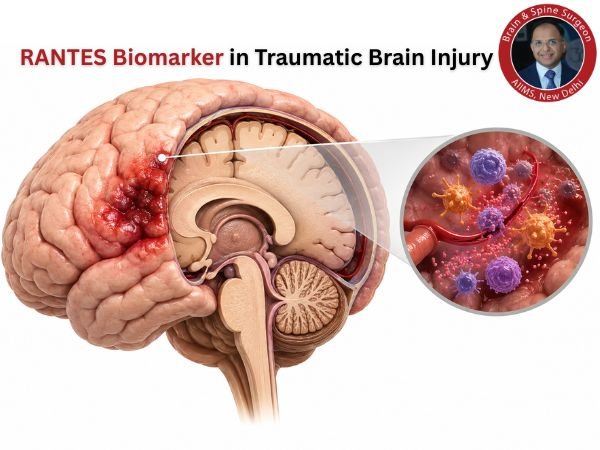
The RANTES biomarker is one significant molecule that is receiving focus in study. Doctors can more accurately forecast results and direct treatment plans for TBI patients by having a better understanding of RANTES.
RANTES: What is it?
“Regulated upon Activation, Normal T-cell Expressed and Secreted” is what RANTES stands for. Another name for it is CCL5, a chemokine (an immune system signalling molecule).
To put it simply:
A chemical messenger called RANTES facilitates the movement of immune cells to injured or infected sites.
What Takes Place in the Brain Following Traumatic Injury?
Two stages take place when the brain is traumatised (by a fall, an accident, or a sports injury):
1. The primary injury
- Impact-related immediate harm
- Includes tissue injury, bleeding, or swelling.
2. Secondary Damage (Phase of Inflammation)
- Develops over several hours or days.
- Involves inflammation and the immunological system.
- May aggravate brain damage if left unchecked
RANTES is crucial in this situation.
RANTES’s Function in Traumatic Brain Injury
The body releases RANTES following a brain injury in order to:
- Generate in immune cells, such as macrophages and T lymphocytes.
- Encourage inflammation to prevent harm
- Aid in the healing and repair of tissues
But there are two sides to this:
Benefits
- Aids in removing damaged cells
- Promotes repair and healing
- Triggers defensive immune reactions
Adverse Repercussions
- Healthy brain tissue can be harmed by excessive inflammation.
- Can worsen puffiness and neurological consequences
It’s important to strike a balance: too little reaction slows healing, while too much might be harmful.
Why Is RANTES a Vital Biomarker for Traumatic Brain Injury?
A biomarker is an indicator of a condition that can be measured in the body, such as blood levels.
RANTES supports physicians:
- Determine the degree of inflammation in the brain.
- Estimate the extent of the injury
- Track the progress of your recuperation
- Determine which people are at risk for complications
Although this is still being investigated, research indicates that elevated RANTES levels may be associated with more severe inflammation and worse results.
How Do You Measure RANTES?
RANTES levels can be determined by:
- Blood examinations
- Analysis of cerebrospinal fluid (CSF) (in extreme situations)
Although these tests are mostly employed in research environments, their significance in clinical evaluation is rapidly growing.
What Does RANTES and Brain Recovery Mean for Patients?
Knowing RANTES can be useful for:
1. Tailored Care
Depending on the degree of inflammation, doctors may customise treatments.
2. Prompt Intervention
Elevated RANTES levels could indicate the need for:
- Anti-inflammatory medications
- Close observation in the intensive care unit
3. Improved Prognosis Forecasting
Aids in the understanding of recovery expectations by physicians and families.
RANTES’s Prospects for Treating TBI
Researchers are investigating:
- Medications that regulate RANTES activity
- Targeted treatments to lessen damaging inflammation
- To improve accuracy, combine RANTES with additional biomarkers.
RANTES may eventually be a standard tool for managing traumatic brain injuries.
Traumatic Brain Injury Symptoms to Look Out for
It’s critical to identify symptoms even before biomarkers are tested:
- A headache
- Loss of memory or confusion
- Vomiting or nausea
- Lightheadedness
- Speaking difficulties
- Diminished awareness
If symptoms get worse, get medical help right once.
When Should a Neurosurgeon Be Consulted?
Early assessment is essential if you or a loved one has had a brain injury.
Speak with a skilled neurosurgeon, such as Dr. Deepak Agrawal of AIIMS Delhi, for:
- Precise diagnosis
- Advanced care for neurocritical patients
- Customised treatment strategy
In Conclusion
In traumatic brain injury, the RANTES biomarker provides important information about how inflammation impacts healing. Although research is still ongoing, it has the potential to enhance patient outcomes, diagnosis, and therapy.
Effective TBI management requires early detection, prompt medical attention, and professional advice.
FAQ’s
1. To put it simply, what is RANTES?
The body’s RANTES protein facilitates immune cells’ access to damaged regions, including the brain following trauma.
2. Do hospitals offer RANTES testing?
It is largely utilised in research at the moment, but in the future, clinical practice may employ it more frequently.
3. Does a high RANTES indicate a serious brain injury?
Higher levels might be a sign of increased inflammation, which is linked to more serious injuries, but doctors take other factors into account as well.
4. Is it possible to cure RANTES?
Research is still being done. RANTES activity may be indirectly impacted by certain anti-inflammatory therapies.
5. Why is inflammation risky following a brain injury?
Although inflammation promotes healing, too much inflammation can harm healthy brain cells and impede healing.