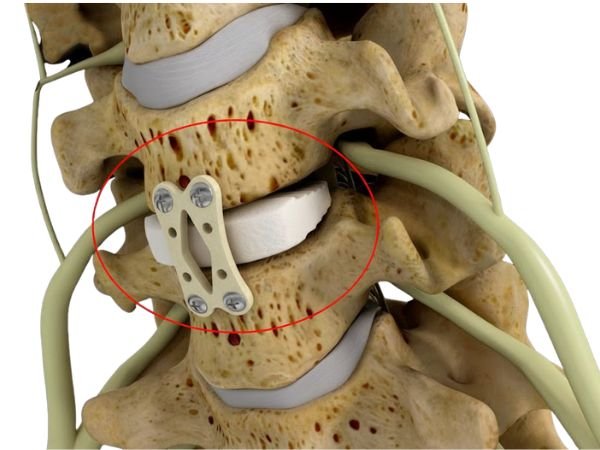
One of the most popular spine procedures to relieve pressure on the spinal cord or nerve roots in the neck is cervical discectomy. It is intended to treat degenerative disc disease, myelopathy, cervical radiculopathy, and cervical disc herniation that has not responded to conservative treatment.
Cervical Discectomy Surgery: What Is It?
During a cervical discectomy, a damaged or herniated disc in the cervical spine (neck region) may be removed entirely or in part by the surgeon. The goal is to take pressure off the spinal cord and nerves to relieve pain, numbness, tingling, and weakness in the neck, arms, or hands.
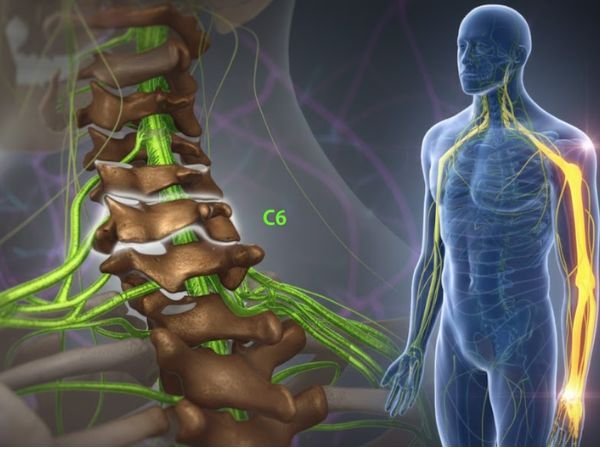
Common reasons for needing cervical discectomy
- Cervical disc herniation
- Cervical radiculopathy (pinched nerve)
- Cervical myelopathy (spinal cord compression)
- Degenerative disc disease
- Disc damage brought on by trauma
- Severe arm and neck discomfort that doesn’t go away with medicine or physical therapy
Cervical Discectomy Procedure Types
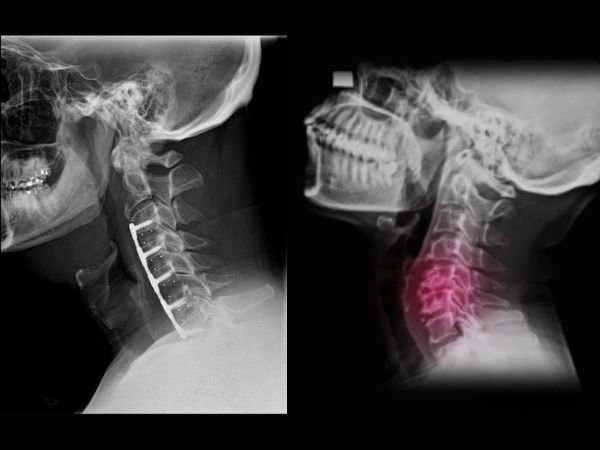
The surgeon may select one of the following options based on the patient’s condition:
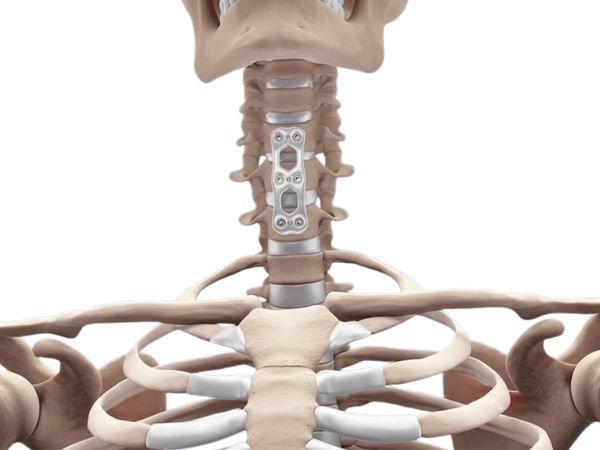
- ACDF, or anterior cervical discectomy and fusion
- Most frequently carried out.
- The surgeon uses the neck crease to approach the spine from the front.
- The damaged disc is taken out.
- A cage or spacer is put in.
- The spine is stabilised via fusion using a plate and screws.
- Arthroplasty, or replacement of the cervical disc
- An artificial disc is used in place of the damaged disc.
- Keeps the level of movement constant.
- For younger individuals with a single-level disc problem, this is preferred.
Discectomy of the posterior cervical region
- The back of the neck is the point of approach.
- Used in cases where disc material is found posteriorly or laterally.
- Less frequently carried out than ACDF.
How the Surgery Is Done
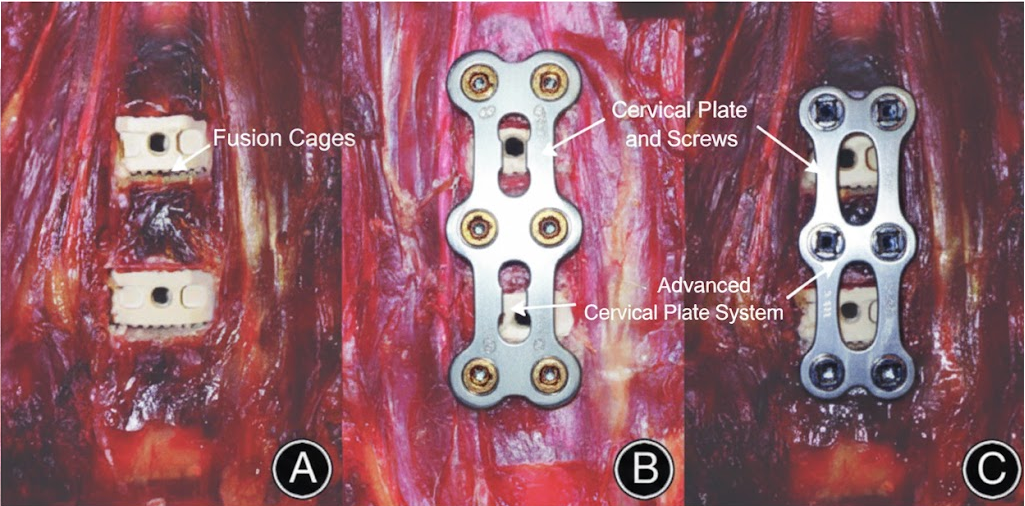
A detailed explanation
- General anaesthesia is applied to the patient.
- Either the front or back of the neck is slightly cut.
- The injured disc is identified by the surgeon.
- The entire disc or only pieces of it are taken out.
- Depending on the process:
- Fusion is carried out by bone transplants and implants
- A spacer or artificial disc is implanted.
- Sutures are used to seal the incision.
Time/ Duration
- Usually, one to two hours.
Hospitalisation
- 1-2 days on average.
- In certain circumstances, surgery may be performed the same day.
Recuperation Following Cervical Discectomy
- The majority of patients report instant relief from arm pain.
- Over several weeks, neck pain gets better.
- It might be advised to wear a cervical collar.
- Return to desk work: Two to Four weeks.
- Six to twelve weeks of intense physical labour.
- For strengthening, physiotherapy is frequently recommended.
Rate of Complications Following Cervical Discectomy Surgery
Cervical discectomy has a high success rate and is generally safe. But problems are possible, just like with any surgery.
Frequent but Minor Issues
- Temporary hoarseness or difficulty swallowing
- Stiffness in the neck
- A sore throat
- Slight discomfort from a wound
Less common but significant complications
- Infection (1–3%)
- Bleeding or hematoma (rare)
- Damage to nerve roots (<1%)
- Spinal cord damage (extremely uncommon)
- In fusion surgery, non-union
- Degeneration of adjacent segments (long-term risk)
- Failure or displacement of implants
- Anesthesia-related problems or stroke (extremely uncommon)
Total success rate
- 85–95% reduction in arm pain.
- The degree of myelopathy improvement varies according on the length of time prior to surgery and the severity of the disease.
Alternative Therapies (Prior to Surgery)
Not all patients require surgery right away. Non-surgical methods are typically recommended first by doctors:
- Drugs/ Medications
- NSAIDs, or painkillers
- Relaxants for muscles
- Drugs for neuropathic pain
- Physical treatment/ Physiotherapy
- Exercises for strengthening
- Adjusting your posture
- Treatment with traction
- Injections of Epidural Steroids
- Temporary pain relief due to its anti-inflammatory properties.
- Modification of Lifestyle
- Changes in ergonomics
- Controlling weight
- Steer clear of heavy lifting
- Observation
- Over time, some disc herniations heal on their own.
Note: Since cervical disc degeneration is unrelated to shunt surgery, several spine-specific options are taken into consideration.
Consenting Process for Patients & Family Members
A crucial component of surgery is informed consent. The physician clarifies:
- The diagnosis and the purpose of the procedure
- Why surgery is necessary
- What will occur if surgery is not performed
- The planned surgical procedure
- ACDF, posterior discectomy, or disc replacement
- Anticipated advantages
- Pain, numbness, and weakness alleviation
- Preventing the progression of spinal cord damage
- Potential dangers and issues
- There includes a thorough explanation of both typical and uncommon dangers.
- Expectations following surgery
- Hospital stay and recuperation period
- Physiotherapy is necessary.
- Implant choices and costs
- Artificial discs and fusion implants
- Estimated cost of hospitalisation
- The patient’s and family’s signatures
- Verifies that they comprehend the process
- Recognises their well-informed choice
During this process, families should feel free to ask questions.
In conclusion
A safe and efficient method for relieving nerve or spinal cord compression in the neck is cervical discectomy surgery. With the help of contemporary methods, patients make a speedy recovery and resume their regular activities with noticeably reduced symptoms. In collaboration with their neurosurgeon, patients and families can confidently make an informed choice if they are aware of the operation, risks, advantages, and available options.
FAQ’s
Is a cervical discectomy considered a major surgical procedure?
Although it is regarded as a common spine surgery with a good success rate, it is nevertheless a major procedure that calls for caution and expert neurosurgeon care.
Will my suffering end right away?
After surgery, arm soreness normally goes away. It could take several weeks for neck ache to go away.
Will my neck become less mobile?
There may be some mobility loss at that level following fusion. Replacing a disc (arthroplasty) helps maintain motion at the operated level.
What is the implant’s lifespan?
Artificial discs and fusion implants are made to last many years and often remain functional for a lifetime, though long-term follow-up varies by patient and implant type.
Can I go back to my regular life?
Yes. Depending on the nature of work, most patients resume their regular activities after a few weeks. Your surgeon will give personalised guidance based on your recovery.
Is physical treatment required?
Physiotherapy is commonly recommended to strengthen muscles and protect the spine. It helps recovery and reduces the risk of future problems.
What would happen if I didn’t get the surgery?
If nerve or spinal cord compression is not addressed, it may progress and result in:
- Chronic pain
- Numbness
- Weakness
- Walking difficulties (in cases of myelopathy)
Will it leave a scar?
Yes, although scars are usually small and often cosmetically acceptable. Incisions on the front of the neck are made to minimise visible scarring.
Will the issue happen again?
Adjacent discs may degenerate over time in some patients, but recurrence at the operated level is relatively uncommon.
After surgery, would I have to wear a neck collar?
Yes, in some cases—particularly after fusion (ACDF). A cervical collar supports the neck while it heals; duration is determined by your surgeon.
Sources:
- https://pubmed.ncbi.nlm.nih.gov/37016849/
- https://pubmed.ncbi.nlm.nih.gov/38823447/
- https://pubmed.ncbi.nlm.nih.gov/30233930/
- https://www.materprivate.ie/our-services/spinal-care/anterior-cervical-discectomy-fusion-(acdf)
- https://my.clevelandclinic.org/health/procedures/acdf-surgery
- https://www.spine-health.com/treatment/spinal-fusion/acdf-anterior-cervical-discectomy-and-fusion
- https://tcomn.com/wp-content/uploads/2017/10/FAQs-Anterior-Cervical-Discectomy-and-Fusion-ACDF.pdf