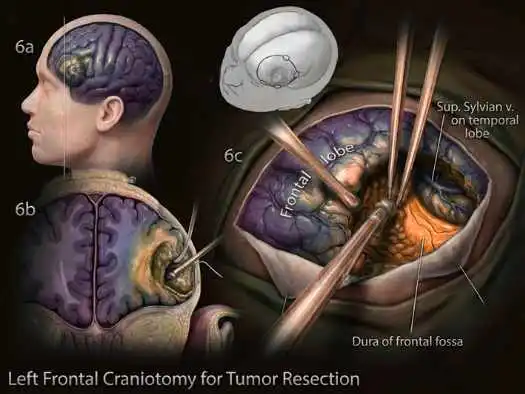
Both patients and their loved ones may feel frightened by brain surgery. Fear can be minimised and the process made easier and more predictable by knowing what will happen, why it is necessary, and how recovery operates.
In addition to providing care advice, safety instructions, and frequently asked questions that every family should be aware of, this article provides straightforward explanations of what to anticipate prior to, during, and following brain surgery.
What Is Brain Surgery?
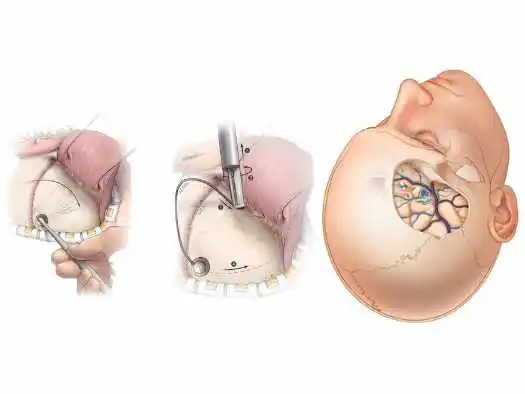
Any technique carried out on the brain, skull, or surrounding structures to address conditions like these is referred to as brain surgery, or neurosurgery.
- Brain cancers
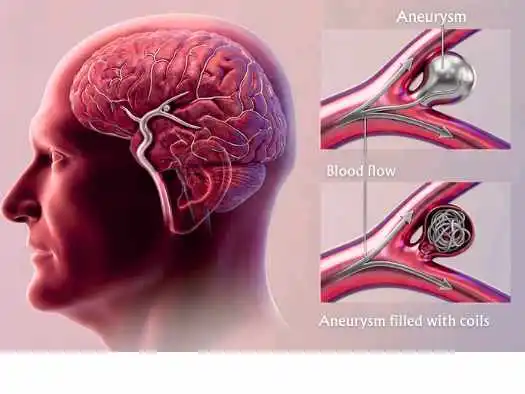
- Aneurysms
- Hydrocephalus
- TBI, or traumatic brain injury
- Bleeding or stroke
- Epilepsy
- Abscesses or infections
- Abnormalities in structure
When feasible, neurosurgeons employ cutting-edge technology, such as intraoperative monitoring, navigation systems, and microscopes, to carry out safer, less intrusive procedures.
What to Expect Prior to Brain Surgery
Pre-operative Assessment
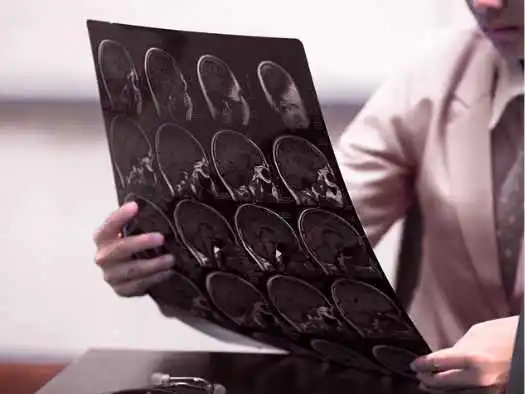
You will go through thorough evaluations, which could involve:
- CT or MRI scans
- Blood examinations
- Neurological assessment
- Assessment of anaesthesia (heart, lungs, and medical history)
The team plans the safest course of action with the aid of these tests.
Talking to the neurosurgeon
Your physician will clarify:
- Why surgery is necessary
- The precise process
- Possible advantages and hazards
- Options/ Alternatives (if any)
- Timeline for recovery
- What to anticipate right after surgery
Now is the moment to clarify any concerns and ask enquiries.
Instructions for Medication
You might be suggested to:
- Certain blood thinners, such as aspirin and clopidogrel, should be stopped.
- Keep taking your important meds (thyroid, diabetes, blood pressure).
- Stay away of herbal supplements for a minimum of seven days.
Always pay close attention to what the doctor says.
Preparation & Lifestyle Advice
- Eight hours prior to surgery, refrain from all food and liquids (as directed).
- Keep your scalp clean and take a shower.
- Before entering OT, take off your dentures, jewellery, cosmetics, nail polish, and lenses.
- Before surgery, let the doctor know if you have an infection, fever, or cough.
What Takes Place During Brain Surgery?
You will be entirely unconscious and pain-free while under general anaesthesia.
The scheduled surgery is carried out by the neurosurgeon using:
- A microscope
- Navigation system (such as GPS in brain surgery)
- Monitoring neurophysiology to safeguard vital nerves
Surgery may take two to eight hours, depending on the problem.
What to Expect Following Brain Surgery

The immediate post-operative period
You’ll be moved to:
ICU for 24 to 48 hours
Here, the group keeps an eye on:
- Vital signs
- Pressure in the brain
- Reactions and awareness
- Levels of pain
- Drain output (if installed)
Typical Post-Brain Surgery Symptoms
It is typical to encounter:
- Headache
- Little puffiness near the wound
- Weakness or exhaustion
- Feeling queasy
- Acute dizziness or memory loss
These typically become better in a few days or weeks.
Hospitalisation
Depending on the type of surgery, most patients stay for three to seven days.
Occupational therapy, speech therapy, or physiotherapy may begin early if necessary.
Healing at Home
Wound Management
- Make sure the wound is dry and clean.
- Avoid applying oils or lotions or scratching.
- Report any swelling, redness, or discharge right away.
Exercise
- For four to six weeks, stay away from driving, the gym, heavy lifting, and demanding jobs.
- It is recommended to walk gently.
Diet
- Consume soft, nutritious, high-protein foods.
- Drink plenty of water.
- Stay away of smoking and drinking.
Drugs/ Medications
- Painkillers
- Medications that prevent seizures (if prescribed)
- Antibiotics (if required)
Warning Indications to Look Out for
Speak with your physician right away if you observe:
- Elevated fever
- Severe headache that doesn’t go away with medication
- Seizures and vomiting
- Face, arm, or leg weakness
- Loss of awareness
- Leaking of fluid from the wound
- Abrupt shifts in behaviour
Complications can be avoided with early intervention.
Extended Rehabilitation/Recovery
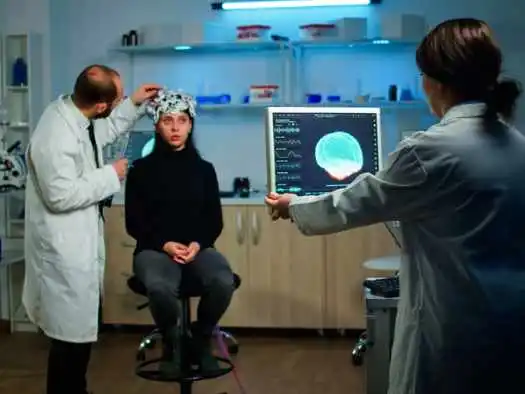
The type of operation and underlying condition affect recovery.
Many patients resume their regular lives in:
- For minimally invasive procedures, two to six weeks
- For major procedures, six to twelve weeks
Additionally, emotional and cognitive rehabilitation progressively gets better.
Last Thoughts
Although brain surgery is a significant step, it may be made much less frightening with the correct information and professional care. Patients and their families feel more prepared and confident when they know what to expect.
See an expert neurosurgeon to discuss the best course of action for your situation if brain surgery has been recommended for you or a loved one.
FAQ’s
- Is it safe to have brain surgery?
Neurosurgery today is very sophisticated. Although there are risks, they are reduced by accurate imaging, navigation, and monitoring.
- Will the surgery cause me any pain?
No. You will be totally unconscious and under general anaesthesia.
- How much time does it take to recover?
Depending on the operation, most patients make a full recovery in a few weeks.
- Will you shave my hair?
Nowadays, full head shaving is rarely necessary; only a little portion may be trimmed.
- Can speech or memory be impacted by brain surgery?
The location of the surgery determines this. In order to avoid critical areas, doctors design the safest course of action.
- Do I require physical therapy?
Some patients do, particularly following procedures associated to trauma or stroke.
- When will I be able to go back to work?
Depending on the sort of work and recuperation, it usually takes 4 to 8 weeks.
- Can brain surgery totally eradicate tumours or epilepsy?
Yes, in a lot of situations, particularly if the cause can be physically removed.
- Is bleeding or infection typical following surgery?
Although rare, it is conceivable. For this reason, the first 48 hours are spent under careful observation.
- When will I be able to go back to my regular activities?
In a few days, engage in light exercise; after the doctor gives the all-clear, engage in intense activity.
Sources:
- https://www.ncbi.nlm.nih.gov/books/NBK560922/
- https://www.nature.com/articles/s41597-022-01806-4
- https://braintumor.org/news/what-to-expect-before-and-after-brain-surgery/
- https://www.cancerresearchuk.org/about-cancer/brain-tumours/treatment/surgery/after-surgery
- https://pmc.ncbi.nlm.nih.gov/articles/PMC4490877/
- https://pmc.ncbi.nlm.nih.gov/articles/PMC7593278/
- https://myhealth.alberta.ca/Health/aftercareinformation/pages/conditions.aspx?hwid=zy1337
- https://www.baystatehealth.org/medical-services/neurosurgery/what-to-expect-from-neurosurgery
- https://www.hopkinsmedicine.org/brain-tumor/prepare-procedure
- https://www.cancerresearchuk.org/about-cancer/brain-tumours/treatment/surgery/what-happens-before