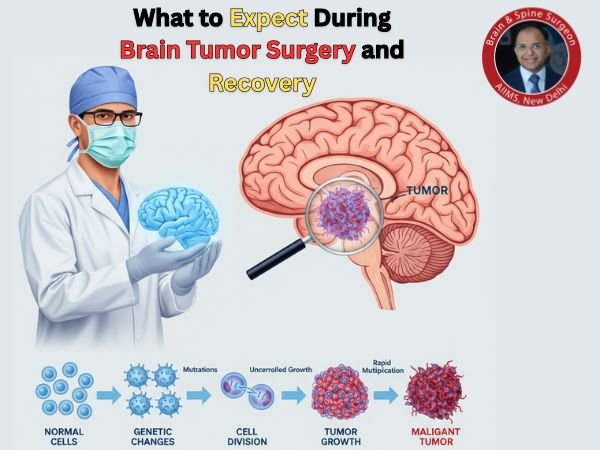
A significant medical milestone, brain tumour surgery is accompanied by feelings of relief, hope, and uncertainty about the future. Knowing post-brain surgery recovery and brain tumour surgery aftercare enables you to face the future with clarity and confidence, whether you or a loved one has recently had surgery.
The Phase Right After Surgery
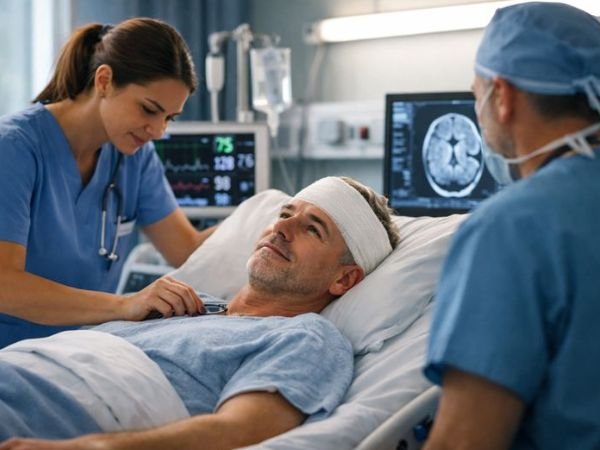
The healing process starts in the hospital as soon as the tumour is removed. Patients are typically kept under constant observation by nurses and physicians in a dedicated recovery or neuro-critical care unit during the first 24 to 48 hours, when they monitor vital signs, neurological symptoms, and general stability.
You will be encouraged to eat, sit up, and begin mild activity within a day or two. To assess the success of surgery and look for oedema or other issues, a follow-up MRI or CT scan is frequently performed.
Depending on how well you heal and whether any complications occur, the initial hospital stay could range anywhere from a few days to a week.
Typical Post-Surgery Symptoms
It’s critical to understand what is typical and when to seek assistance:
Anticipated Symptoms
The numbness or tenderness surrounding the wound gradually goes away.
Mild discomfort and headaches are typically managed with prescription painkillers.
Face and scalp swelling or bruising is common and transient.
Low energy and fatigue are common, particularly during the first four to six weeks.
Normal recovery may include tingling, lightheadedness, or minor sensory alterations.
Everybody recovers at a different pace. While some symptoms, like exhaustion or problems with focus, go away in a matter of days, others may take weeks or months.
Medication and Aftercare

Medication customised to your needs is part of post-surgery care:
Pain relief: controlled with the right medications.
Corticosteroids: which are anti-swelling medications, to lessen brain oedema.
Antiseizure medications: if a seizure risk exists.
Follow-up appointments are essential. For wound examinations, potential staple or suture removal, and imaging to track healing and identify recurrence, you will return to your neurosurgeon’s office.
Together with your team, you can create a customised survivorship or care plan that includes a schedule of examinations, tests, and monitoring.
Food and Exercise

Fuel for healing is nutrition. Pay attention to:
Use lean proteins to restore damaged tissue.
Fruits and vegetables are high in antioxidants to aid in healing.
Drink lots of water to keep hydrated.
Appetite may change after surgery, but eating modest, frequent meals helps guarantee that you’re getting enough calories and nutrients.
Exercise Guidelines
Exercise is vital, but it should be done gradually:
As advised, start with quick, leisurely walks.
For a few weeks, stay away from activities that increase intracranial pressure, hard lifting, and intense exercise.
Your physiotherapist or surgeon will help you safely resume your regular activities.
Cautionary Indications to Pay Attention to
Get in touch with your doctor right away if you observe:
A headache that is severe or getting worse and doesn’t go away with medicine.
Indications of a wound infection or a high, ongoing fever.
Abrupt changes in speech, vision, numbness, or weakness.
Loss of consciousness or seizures.
Early intervention can guarantee a healthy recovery and avoid complications.
Going Back to Work and Everyday Life
Recovery doesn’t need to be all or nothing. The majority of patients gradually return to their lives as follows:
At Home
As soon as you’re able, resume light home chores.
Only after receiving medical clearance can driving and other demanding jobs be resumed.
Activities and Work
In a few weeks, desk or low-stress work might be resumed.
Jobs that demand a lot of physical exertion or focus require individualised assessment.
Cognitive and Emotional Recuperation
Mood, memory, and energy fluctuations are frequent. Emotional healing is frequently aided by family support, therapy, or support groups.
Conclusion
Recovery from brain tumour surgery goes beyond the operating room. The road to recovery becomes more obvious and doable with the correct Brain Tumour Post Surgery Care plan, which includes organised follow-ups, medication adherence, balanced nutrition, supervised exercise, and emotional support.
FAQs
1. How long does it take to recuperate from brain surgery?
Everybody recovers differently; some people experience improvements in a matter of weeks, while others may need several months. Tumour type, location, and personal health are examples of factors.
2. Will I feel “back to normal”?
A lot of patients gradually resume their daily activities, although it could take some time for them to fully recover their energy or mental acuity.
3. Can I work out after surgery?
Sure, but take it slow at first. Until your surgeon gives the all-clear, stay away from strenuous exercise and heavy lifting.
4. When will I be able to drive again?
Your doctor must certify that driving is safe based on your physical and neurological recovery before you are permitted to do so.
5. Do I require rehabilitation?
To assist restore strength, everyday function, or communication skills, physical, occupational, or speech therapy may be suggested.