The most prevalent hereditary cause of intellectual disability and a proven genetic link to autism spectrum traits is fragile X syndrome (FXS). Although children with fragile X receive a lot of attention, many adults still deal with their particular difficulties. In easy, caring language, the following guide explains what adults and carers need to know about fragile X adult symptoms, fragile X syndrome adults, and fragile X adult diagnosis.
Can Adults Be Affected by Fragile X?
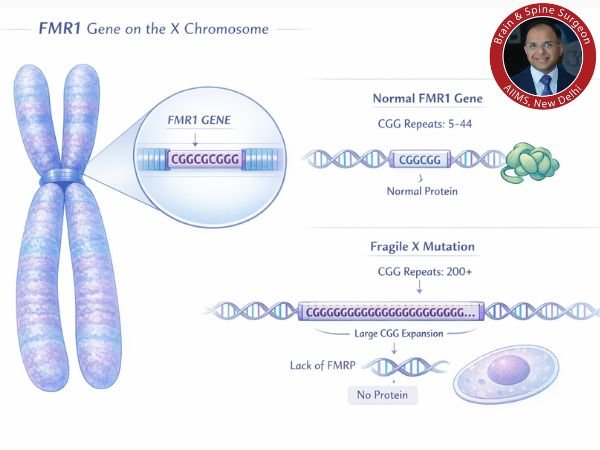
Absolutely. A mutation in the FMR1 gene causes fragile X syndrome at birth, but its consequences last throughout adulthood. Adults with Fragile X might have received a formal diagnosis earlier in life, but some may not have recognised their condition until:
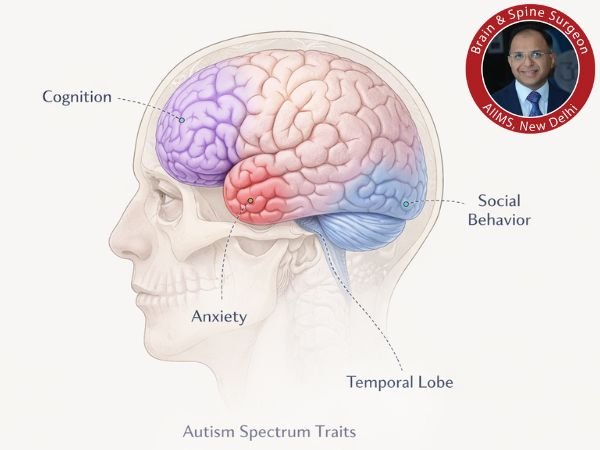
Over time, problems with behaviour, thought, or social interaction become increasingly noticeable.
The disease is identified by family genetic testing.
A health evaluation is prompted by certain adult symptoms, such as worry or learning difficulties.
Fragile X does not appear overnight in adulthood; rather, it develops gradually. Nonetheless, support and awareness can significantly improve one’s quality of life.
Behavioural and Cognitive Symptoms
Adults with fragile X may exhibit a variety of behavioural and cognitive traits, such as:
Cognitive Difficulties
Learning challenges: Persistent delays in picking up new abilities or adjusting to change
Issues with executive functioning include difficulties organising, planning, and focusing.
Differences in memory: Short-term memory might be less robust
Characteristics of Behaviour
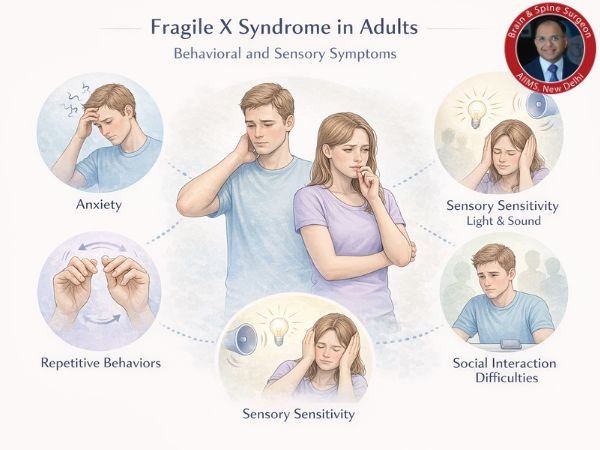
Recurring actions: Repetitive motions or ritualistic practices
Having trouble staying calm or behaving without thinking is a sign of hyperactivity or impulsivity.
Sensory sensitivity: Inappropriate responses to lights, sounds, or textures
Individual differences exist in these symptoms; some adults may be able to manage on their own, while others may require ongoing assistance.
Social and Emotional Difficulties
Adults with Fragile X often show emotional and social impairments in addition to cognitive and behavioural differences:
Mental Well-Being
Anxiety is prevalent and frequently gets worse in social or uncertain circumstances.
Mood swings: It could be difficult to control your emotions.
Social Engagement
Inability to make eye contact or recognise social cues
Difficulties establishing and maintaining friendships
A preference for situations and routines that are familiar
Families, spouses, and organisations can establish supportive settings by being aware of these trends.
Adult Genetic Testing
The Significance of Genetic Testing
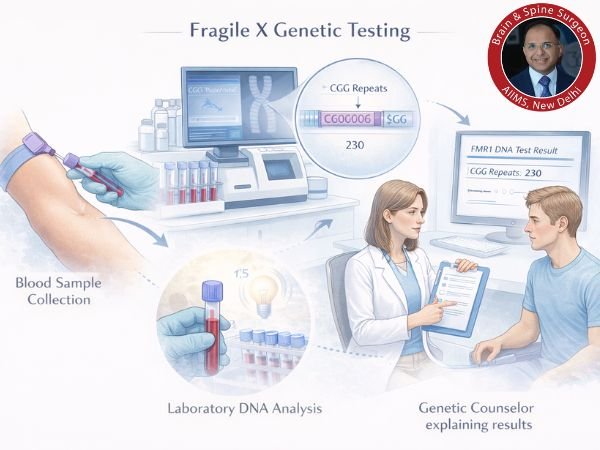
Genetic testing determines the number of CGG repeats in the FMR1 gene, confirming a fragile X adult diagnosis. Adults with fragile X can only be definitively diagnosed with this test.
When to Think About Testing
Adults might get tested if:
Fragile X is known to run in families.
Behavioural, cognitive, or developmental traits point to Fragile X
Concerns about reproductive planning exist (for example, to determine carrier status).
What’s Included in Testing
A sample of blood is taken.
The FMR1 gene’s CGG repeats are counted using specialised molecular analysis.
Results are interpreted and explained by a genetic counsellor.
In addition to confirming a diagnosis, testing aids in directing treatment and family planning choices.
Strategies for Treatment and Support
Although there is no cure for fragile X, people can live healthier lives with a variety of evidence-based strategies:
Support for Medicine and Therapy
Medications for mood regulation, anxiety, or attention problems (as advised)
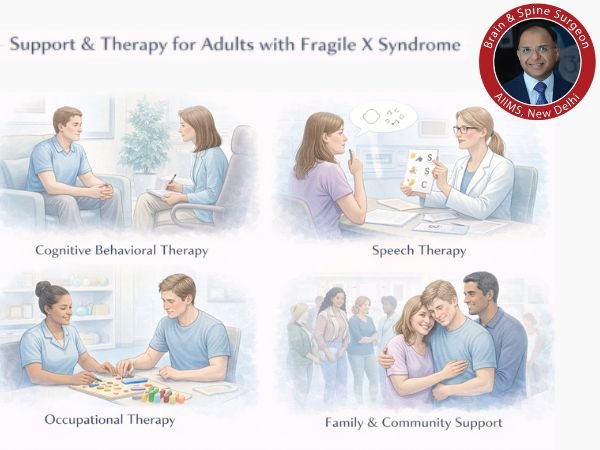
Cognitive behavioural therapy (CBT) and other psychological treatments
Developing Skills and Providing Daily Support
Training in speech and communication
Occupational treatment for motor or sensory impairments
Coaching in life skills for independence and employment
Family & Community Support
Community initiatives and support groups
Planning for education and career training
Routines with structure that boost self-esteem and lower anxiety
When used in tandem, these resources support the meaningful and full lives of individuals with Fragile X.
Concluding Thoughts
Adults with fragile X syndrome experience meaningful, tangible effects on their daily lives, behaviour, emotions, and mental processes. Adults and families are empowered to thrive when Fragile X adult symptoms are identified early, a Fragile X adult diagnosis is sought when necessary, and a customised care plan is created.
Professional genetic testing and expert advice can provide clarity, direction, and hope if you suspect Fragile X in yourself or a loved one.
FAQ’s
1. Is it possible for Fragile X symptoms to evolve?
In agreement. Symptoms frequently change over time, but the underlying problem is permanent. Adults may learn more effective coping mechanisms, and many can enhance their independence and functioning with the right help.
2. Is Fragile X inherited?
The FMR1 gene is responsible for the transmission of fragile X in families. Males frequently have more severe symptoms, but both sexes can be carriers.
3. Is it possible for adults with fragile X to live on their own?
A lot of folks can live freely or somewhat independently if they have strong support networks or have minor symptoms. Individual demands and strengths differ greatly.
4. Is testing necessary for every adult family member?
Adults who are thinking about family planning or who exhibit similar symptoms should get tested if there is a known family history.