One of the main causes of disability and mortality in the world is Cerebrovascular Diseases. These disorders interfere with proper blood flow to the brain and may result in severe neurological impairment by affecting the arteries that nourish it.
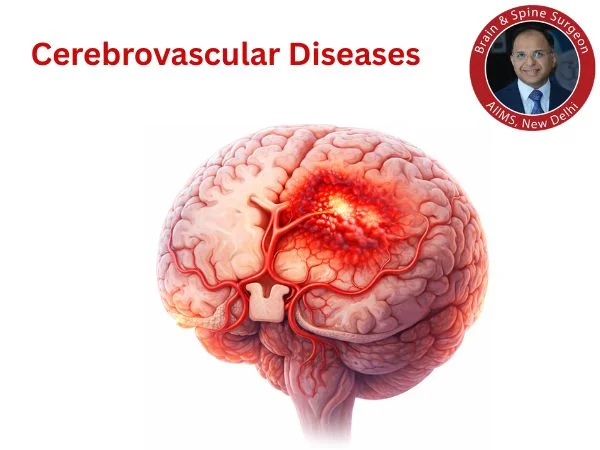
Results can be greatly enhanced by early detection and prompt treatment. To help patients and their families make informed decisions, this guide provides a straightforward explanation of Cerebrovascular Diseases – Brain Haemorrhage, including symptoms, causes, diagnosis, treatment options, and prevention.
Cerebrovascular Diseases: What Are They?
The term “Cerebrovascular Diseases” describes a class of illnesses that impact the brain’s blood flow. Within minutes, brain cells start to die when the brain does not receive enough oxygen-rich blood.
Typical cerebrovascular conditions consist of:
Ischaemic stroke (blood vessel blockage)
Hemorrhagic stroke, or Brain Haemorrhage
Mini-stroke or Transient ischaemic attack (TIA)
AVM, or arteriovenous malformation
Disease of the carotid arteries
A neurosurgeon must promptly evaluate these issues.
What Makes Cerebrovascular Diseases Risky?
The brain regulates speech, memory, movement, and other essential bodily processes. A brief disruption in blood flow can result in:
Long-term impairment
Immobility
Speech issues
Loss of memory
Complications that could be fatal
Time is brain; the sooner you start therapy, the better your recovery will be.
Cerebrovascular Disease Types
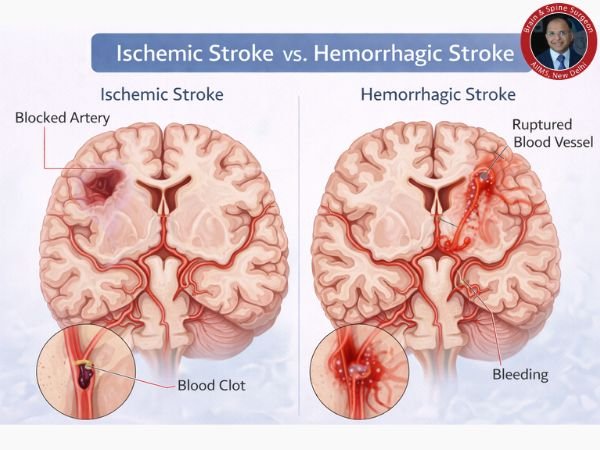
1. Ischaemic Stroke
About 80–85% of strokes are of this type, making it the most prevalent kind.
What occurs: A blood clot reduces blood flow to the brain by obstructing an artery.
Common reasons:
Plaque accumulation, or atherosclerosis
Heart rhythm issues, such as atrial fibrillation
Disorders of blood clots
2. Hemorrhagic Stroke
This happens when a brain blood artery bursts and starts to haemorrhage.
Among the causes are:
Unmanaged hypertension
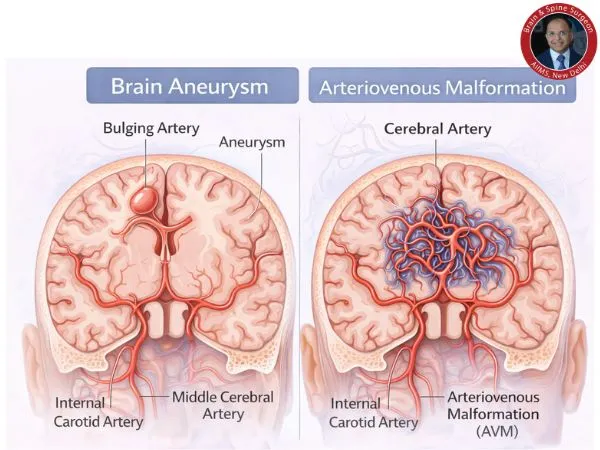
Rupture of a Brain aneurysm
Head trauma
Drugs that thin the blood
Because hemorrhagic strokes are frequently more severe, emergent neurosurgery may be necessary.
3. Transient Ischaemic Attack (TIA)
A Transient ischaemic attack (TIA) is sometimes referred to as a mini-stroke.
Important: It is a serious indicator of an oncoming stroke, but the symptoms go away in a day.
A TIA should never be ignored.
4. Brain Aneurysm
A weak, enlarged spot in a brain artery that could burst and start bleeding.
Before rupture, warning indicators could include:
A rather bad headache
Vision issues
Eye discomfort
A lot of aneurysms don’t speak until they burst.
5. AVM, or Arteriovenous Malformation
An irregular network of blood vessels that joins veins and arteries.
Potential risks
Haemorrhage in the brain
Seizures
Prolonged headaches
AVMs are frequently congenital, meaning they exist from birth.
Typical Cerebrovascular Disease Symptoms
Early detection of Stroke symptoms can save lives.
Unexpected Warning Indications
One side of the body may suddenly become weak or numb.
Drooping of the face
Speech difficulties or slurred words
Abrupt loss of vision
Severe headache, particularly with bleeding
Loss of coordination or balance
Perplexity or changed awareness
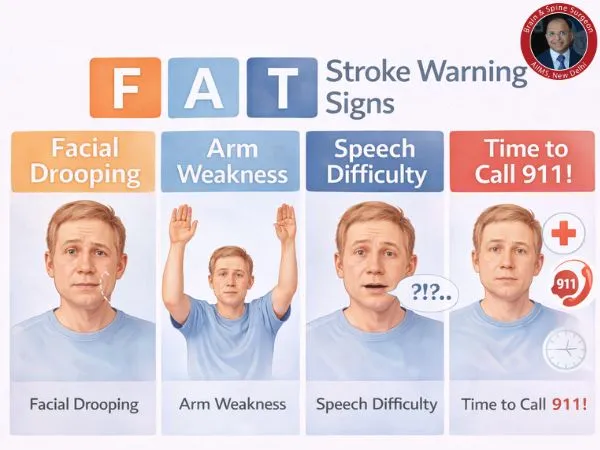
Recall FAST.
F— Drooping of the face
A— Weakness in the arms
S — Difficulty speaking
T— It’s time for emergency care.
If any of these happen, get medical attention right away.
Primary Risk Factors
While certain risk factors can be avoided, others cannot.
Changeable Risk Elements
Elevated blood pressure (most crucial)
Diabetes
Smoking
Elevated cholesterol
Being overweight
A sedentary way of living
Overconsumption of alcohol
Heart conditions
Unchangeable Risk Indicators
Growing older
Family background
Gender: male
Prior TIA or stroke
How Do They Diagnose Cerebrovascular Disorders?
For treatment to be effective, early diagnosis is essential.
Common Exams
Brain CT scan: first emergency examination
Brain MRI: a detailed imaging method
Angiography using CT/MR: assesses blood vessels
Carotid Doppler ultrasonography
Blood examinations
Evaluation of the heart
Cutting-edge neuroimaging aids in pinpointing the cause and directing therapy.
Options for Treatment
The kind and severity of the cerebrovascular illness determine the course of treatment.
Treatment of Strokes in Emergency:
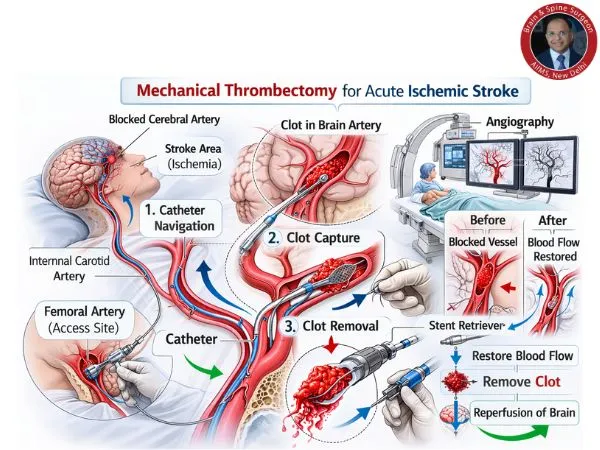
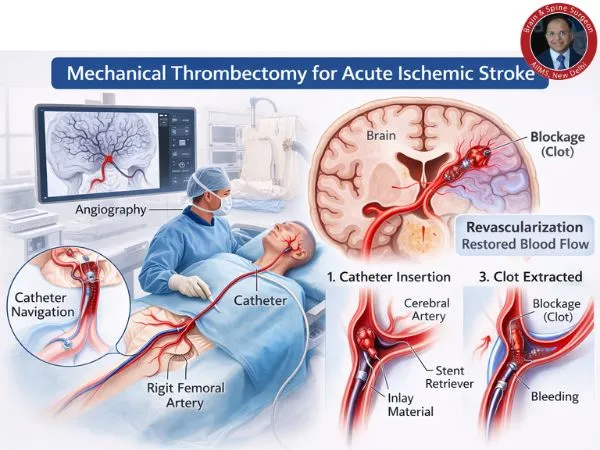
Regarding Ischaemic Strokes
IV thrombolysis (injection that breaks up clots)
Mechanical thrombectomy, a technique for removing clots
Antiplatelet drugs
Regulation of blood pressure
Golden window: preferably within 4.5 hours of symptom onset
For Hemorrhagic Stroke
Regulation of blood pressure
Blood thinner reversal
If necessary, neurosurgical intervention
ICU surveillance
Therapy for AVM and Aneurysm
Based on risk and size:
Cutting using microsurgery
Coiling of the endovascular
Positioning of flow diverters
Utilising stereotactic radiosurgery
Conservative observation (picked cases)
Healing and Rehabilitation
Depending on the extent of brain damage, recovery varies greatly.
Rehabilitation Could Involve
Physical therapy
Speech therapy
Occupational therapy
Cognitive recovery
Psychological assistance
Early rehabilitation improves long-term results.
Prevention: How to Lower the Risk of Stroke
Approximately 80% of strokes can be avoided.
Lifestyle Factors
Manage your blood pressure
Control your diabetes
Give up smoking
Regularly work out
Keep your weight in check
Consume a heart-healthy, low-salt diet
Don’t drink too much
Frequent medical examinations
When Is the Right Time to See a Neurosurgeon?
Consult a specialist if you have:
Symptoms of a stroke
Repeated TIAs
AVM or known brain aneurysm
Unexpected, intense headache that doesn’t go away
Narrowing of the carotid arteries
History of aneurysms in the family
Early professional assessment can save lives.
Last Thought
Although Cerebrovascular Diseases – Brain Haemorrhage are dangerous, they are frequently curable and preventable with early detection. Results can be significantly enhanced by identifying warning symptoms, managing risk factors, and obtaining professional care as soon as possible.
See a neurosurgeon right away if you or a loved one has any Stroke symptoms or is worried about brain blood vessel problems.
FAQ’s
1. Which cerebrovascular illness is the most prevalent?
Approximately 80–85% of all strokes are Ischaemic stroke, making them the most prevalent type.
2. Is there a cure for cerebrovascular disease?
Effective treatment is possible for certain illnesses, particularly if they are identified early. Nonetheless, risk-factor control and prevention are still essential.
3. What are stroke’s early warning indicators?
Important warning indicators include sudden facial droop, arm weakness, trouble speaking, eyesight issues, and a strong headache.
4. How serious is a mini-stroke?
Indeed. A Transient ischaemic attack (TIA) needs to be evaluated right away because it is a serious indicator of a stroke in the future.
5. When should stroke treatment start?
4.5 hours is ideal for clot-busting treatment. Some patients may be eligible for a 24-hour Mechanical thrombectomy.
6. Can cerebrovascular illness strike young people?
Indeed. Strokes can happen to young people for congenital, cardiac, or lifestyle reasons, however they are more common in older persons.
7. How may cerebrovascular illness be avoided?
Maintain a healthy lifestyle, lower blood pressure, quit smoking, get regular exercise, and manage diabetes.
Sources: