A functional disorder is a medical problem where the body does not function normally, even though tests or scans show normal structure. These conditions are real, prevalent, and curable, but they are frequently misdiagnosed. Routine investigations seem normal, yet symptoms continue, which frustrates many patients.
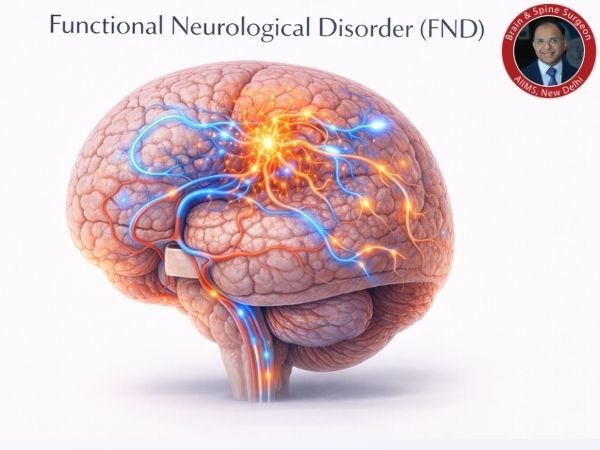
Functional diseases are explained in simple terms in this guide so that patients and their families may comprehend what is going on and what to do next.
A Functional Disorder: What Is It?
Instead of structural damage, a functional disease arises when there is an issue with the way the body or nervous system operates.
Consider it similar to hardware vs. software:
Hardware damage (Tumor, stroke, fracture) is a structural condition.
Functional disorder: Malfunctioning software (signals not functioning correctly)
When it comes to functional disorders:
CT and MRI scans are often normal.
Blood testing could be typical.
The symptoms are real and may be incapacitating.
With the right care, the problem may be reversed.
Functional neurological disorder (FND) is one of the most well-known kinds.
Various body systems can be impacted by functional diseases.
Types of Functional Disorders
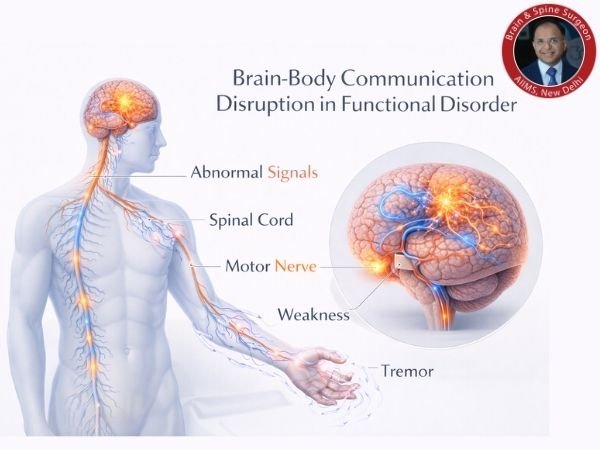
1. Disorder of the Functional Nerves (FND)
This impairs brain-body signalling and is also known as conversion disease.
For instance:
Seizures that are functional (not epileptic)
Paralysis or functional weakness
Tremor that functions
Disorder of functional gait
Issues with functional speaking
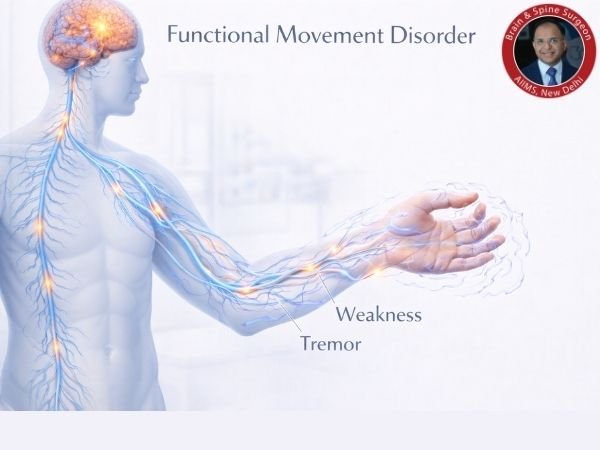
2. Disorders of Functional Movement
Among these are aberrant motions that do not accompany structural brain illness.
Symptoms could consist of:
Tremors
Jerky motions
Abrupt weakness
Unusual body positions
3. Disorders of the Functional Gastrointestines
These have an impact on digestion without causing obvious structural illness.
For instance:
IBS, or irritable bowel syndrome
Dyspepsia in function
Constipation that is functional
Symptoms of Functional Disorders
Depending on whatever physiological system is affected, symptoms can differ significantly.
Symptoms of Neurology
Abrupt limb or arm weakness
Having trouble walking
Shaking or tremors
Non-epileptic shocks/seizures
Speech problems
Issues with vision
Symptoms in general
Drowsiness
Fog in the brain
Prolonged discomfort
Feeling light-headed
Disturbances in the senses
Important: There is no control over the symptoms. They are not imagined or faked by the patients.
Why Do Functional Disorders Occur?
Functional problems typically result from a combination of interrelated causes rather than a single cause.
1. Dysfunction of the Brain Network
According to recent studies, in FND:
Normal brain structure
Changes in brain connection and signalling
The brain struggles to regulate conscious movement or cognition
2. Trigging Off Events
Typical triggers consist of:
Physical harm
Operation
Infection
Migraine
Panic attack
Stress on an emotional level
3. Psychological Aspects (Not Always Existent)
Not every patient has the following:
Fear
Depression
History of trauma
Prolonged stress
Important point: Functional problems are not exclusively psychological. These are disorders of the brain and body.
Who Is in Danger?
Although they can affect anyone, functional problems are more prevalent in:
Adults in their youth to middle years
Women (slightly higher incidence)
Individuals who experience ongoing stress
Individuals experiencing a history of neurological disorders
People who suffer from migraines or persistent pain
How Can a Functional Disorder Be Identified?
The diagnosis is clinical and positive, not merely based on exclusion.
Neurologists at specialised facilities such as AIIMS verify functional abnormalities using certain bedside symptoms.
Methodical Assessment
1. A thorough history
Onset of symptoms
Set off events
Attack pattern
Related stressors
2. Neurological Assessment
Positive functioning indicators that doctors search for include:
Hoover’s sign (weakness in function)
Symptom inconsistency
Tremor’s distractibility
Test of entrainment
3. Required Examinations
To rule out structural illness, tests are performed:
MRI of the brain and spine
EEG (for seizures)
Blood examinations
Normal tests confirm the diagnosis, but they do not prove it on their own.
Treatment for Functional Disorders
Fortunately, functional problems are treatable and frequently curable.
A comprehensive approach to treatment is the most effective.
1. Patient Education (the most crucial initial step)
Results are improved when the diagnosis is understood.
Patients need to understand:
The symptoms are actual.
It is a reversible condition.
Retraining is possible for the nervous system.
Early intervention produces better outcomes.
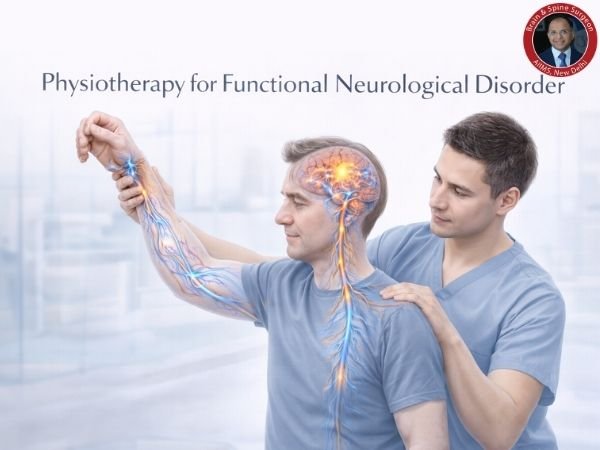
2. Core Treatment: Physiotherapy
Retraining motor patterns is aided by specialised neuro-physiotherapy.
Objectives:
Return to your regular gait
Diminish aberrant trends
Increase your self-assurance in bodily control
Boost your strength and gait
3. Counselling
Beneficial, particularly in times of stress or anxiety.
Common approaches:
CBT, or cognitive behavioural treatment
Stress reduction
Therapy that focuses on trauma (if necessary)
Training in relaxation
It should be noted that therapy is supportive rather than suggesting that symptoms are “in the mind.”
4. Drugs
Although there isn’t a single medication that may treat functional disorders, some medications can alleviate related symptoms:
Anxiety drugs
Antidepressants
Modulators of pain
Sleep aids
5. Interdisciplinary Rehabilitation
The best results come from coordinating care between:
Neurosurgeon and neurologist
Physiotherapist
Psychiatrist and psychologist
Specialist in rehabilitation
Prognosis and Recuperation
Everybody recovers differently.
Improved Prognostic Factors
Early diagnosis
Brief duration of symptoms
Strong comprehension of the condition
Participation in physical treatment
Strong support from the family
Factors Affecting Slower Recovery
Prolonged symptoms
Severe impairment
Untreated depression and anxiety
Inadequate comprehension of sickness
With the right care, many patients see notable improvements.
When Is It Time to See a Physician?
Get a medical assessment if you observe:
Unexpected weakness that appears suddenly
Incidents that resemble seizures
Continuous tremors
Walking difficulties without a clear cause
Symptoms of the nervous system with typical reports
Early professional evaluation expedites healing and avoids needless testing.
Last Thoughts
Instead of being the result of structural damage, functional disorders are prevalent, real neurological illnesses brought on by a disruption in brain-body signalling. Most patients have significant improvement with early diagnosis, patient education, and focused therapy.
An expert evaluation can help clarify the diagnosis and begin successful therapy if you or a loved one develops neurological symptoms that are not explained by normal scans.
FAQ’s
1. Is functional dysfunction psychological or real?
It’s true. Abnormal brain functioning is a feature of functional disorders. Although it is not necessary for diagnosis, psychological stress may play a role in some situations.
2. Is there a cure for functional neurological disorders?
Particularly with early treatment and physical therapy, many patients make significant progress, and some even fully recover.
3. Are epilepsy and functional seizures the same thing?
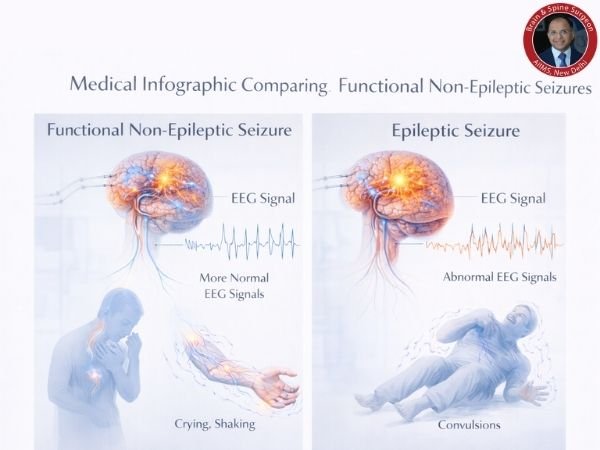
No, the appearance of functional (non-epileptic) seizures is similar, but:
EEG is typically normal.
The cause is distinct.
Different approaches to treatment
Accurate diagnosis is crucial.
4. Will an MRI always be normal?
Usually, the answer is yes. Scans frequently appear normal because functional problems impact function rather than structure.
5. Can a functional issue be brought on by stress alone?
Stress is not the main reason, but it can be a trigger. According to a recent study, brain network disruption is a significant factor.
Sources:
- https://pubmed.ncbi.nlm.nih.gov/35074803/
- https://pmc.ncbi.nlm.nih.gov/articles/PMC7293766/#S12
- https://www.ninds.nih.gov/health-information/disorders/functional-neurologic-disorder
- https://pubmed.ncbi.nlm.nih.gov/32193596/
- https://www.ncbi.nlm.nih.gov/books/NBK551567/
- https://pubmed.ncbi.nlm.nih.gov/38674056/