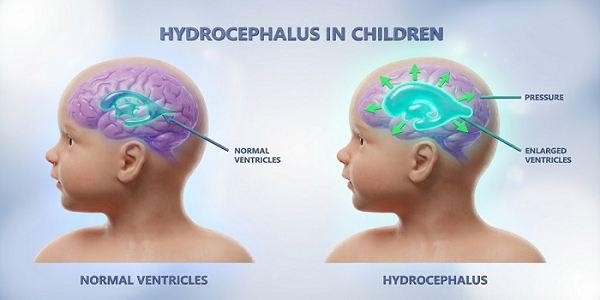
Any parent may be concerned about hydrocephalus, particularly if it affects a newborn or young child. The good news is that most children with hydrocephalus can enjoy healthy and fulfilling lives if they receive early diagnosis and appropriate treatment. This article provides a straightforward explanation of the disorder, including what it is, how it is diagnosed, treatment choices, recovery, long-term care, and frequent worries parents have.
Hydrocephalus: What Is It?
Cerebrospinal fluid (CSF) is a transparent fluid found inside the brain. It eliminates waste, nourishes, and shields the brain and spinal cord.

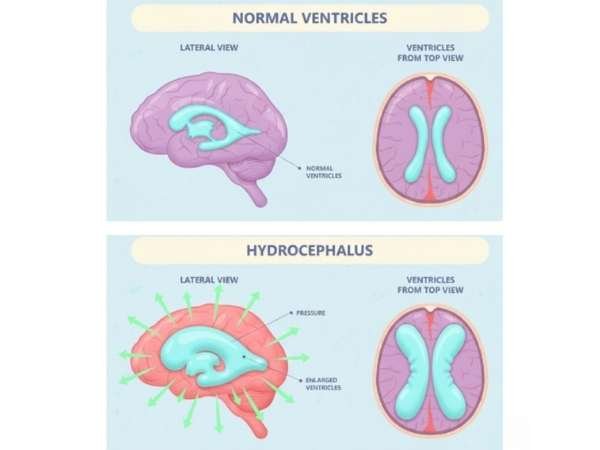
Excess CSF accumulates inside the brain in hydrocephalus, raising intracranial pressure. This occurs due to:
- The body either creates too much fluid
- The fluid doesn’t drain properly
- The CSF’s regular channels are blocked.
The baby’s head may grow and brain development may be impacted when pressure increases. In order to avoid long-term harm, early treatment is crucial.
Types of Infant Hydrocephalus
Hydrocephalus congenital
Existing from birth. Among the causes could be:
- Defects during birth
- Genetic variables
- Pregnancy-related diseases, such as TORCH infections
- Aberrant development of the brain
Hydrocephalus Acquired
Develops after birth as a result of:
- Prematurity (brain haemorrhage)
- Infections or meningitis
- Brain cancers
- Head trauma
Typical Symptoms in Babies
The following symptoms should be observed by parents and reported:
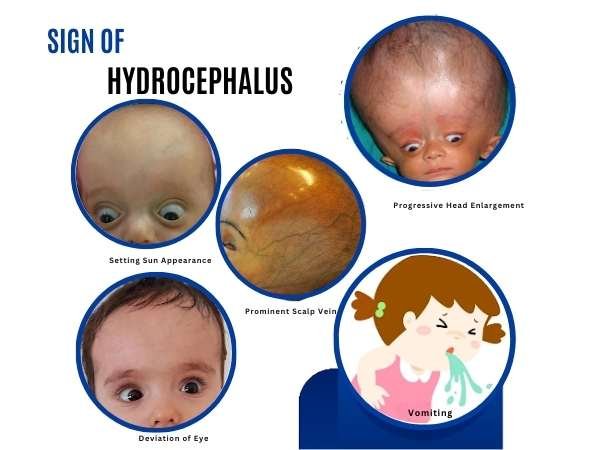
Head Symptoms
- Rapidly growing the size of the head
- Tense or protruding soft area (fontanelle)
- Large, widely spaced skull bones
- Scalp veins that are visible
Symptoms of the eyes
- Sunset eyes (downward-facing eyes)
- Inadequate eye contact or trouble concentrating
Overall Symptoms
- Excessive sobbing and irritability
- Throwing up/Vomiting
- Insufficient nourishment
- Lethargy or drowsiness
- Postponed milestones
- Seizures (in extreme situations)
See a paediatric neurosurgeon right away if you notice these symptoms.
How to Diagnose Hydrocephalus
Physicians use this:
Physical Assessment
- Calculating the circumference of the head
- Verifying reflexes and fontanelle
Imaging Examinations
- Head ultrasound (safe and frequently used for neonates)
- MRI or CT scan to verify the diagnosis and search for a blockage or reason
Options for Hydrocephalus Treatment

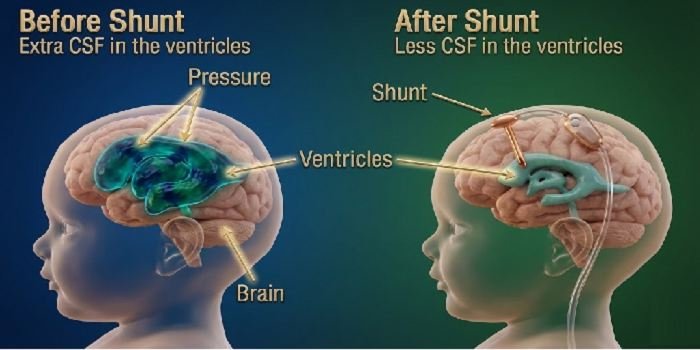
Medication is not the only treatment for hydrocephalus. Surgery to change or control the flow of CSF is the main course of treatment.
Surgery for a ventriculoperitoneal (VP) shunt
Most popular course of treatment.
To drain extra fluid, a tiny tube called a shunt is put into the ventricles of the brain and its other end is placed in the abdomen.
Advantages:
- Efficient
- Long-term alleviation
- As the youngster becomes older, it can be changed or replaced.
Potential Issues:
- Blockage of the shunt
- Infection of the shunt
- Inadequate or excessive drainage
Regular follow-up aids in the early detection of these curable problems.
ETV, or endoscopic third ventriculostomy
A minimally invasive choice for certain infants.
To allow CSF to get around the obstruction, a small hole is created in the ventricle’s floor.
Frequently used in conjunction with baby Choroid Plexus Cauterisation (CPC).
Ideal for:
- Particular forms of obstructive hydrocephalus
- Older babies and kids
Addressing the Root Cause
Treating any infection, tumour, or bleeding that may be the cause of hydrocephalus is also crucial.
Parents Post-Surgery Care
Quick Care
- The infant can spend a few days in the hospital.
- Medication is used to treat pain and discomfort.
- Usually, feeding resumes in a few hours.
Symptoms of Shunt Issues (Get Emergency Medical Help):
- A fever
- Throwing up/ Vomiting
- Anger
- Swelling or redness along the shunt track
- Reduced awareness or Seizures
- Quick growth in skull size once more
Tips for Long-Term Care
- Frequent consultations with the neurosurgeon
- Monitor head size each month.
- Make sure you are getting enough food.
- Developmental assessments to track achievements
- If necessary, early intervention therapy (speech, occupational, and physical therapy)
Prognosis: Are Babies Able to Lead Normal Lives?
Indeed. Many kids with hydrocephalus go on to have normal lives, go to school, and engage in social activities. Regular follow-up and early therapy have a significant impact.
Final Message for Parents
You are not alone, even if hydrocephalus might be frightening. Most newborns recover well and lead happy lives with the help of sophisticated surgical methods, prompt diagnosis, and appropriate care. The best help you can provide as a parent is to be informed and in touch with your child’s neurosurgical team.
See a paediatric neurosurgeon as soon as possible if you suspect hydrocephalus or need professional advice.
FAQ’s
- Does hydrocephalus last a lifetime?
Monitoring for hydrocephalus may be necessary for the rest of one’s life. As the child grows, shunts may need to be replaced or adjusted.
- Can babies undergo surgery?
Indeed. When carried out by skilled neurosurgeons, VP shunt and ETV procedures are frequently carried out and regarded as safe.
- Is there a lasting cure for hydrocephalus?
- The shunt does not “cure” the problem; rather, it controls it.
- In certain infants, ETV can offer a long-term remedy.
- What is the cause of hydrocephalus during pregnancy?
Hereditary problems, infections, or aberrant brain development. A lot of cases have no obvious reason.
- What safety measures should parents do at home?
- Don’t handle the skull roughly.
- Maintain a clean surgery site.
- Participate in all follow-ups
- Keep an eye out for signs including irritation, fever, and vomiting.
- Will my child experience developmental delays?
Some kids can experience delays, particularly if their hydrocephalus was severe or their diagnosis was made after the fact. Most kids make great progress with therapy and prompt care.
- Is it possible for my youngster to do sports?
Light exercises are acceptable. Depending on the child’s condition, contact sports should be considered with the neurosurgeon.
- What is the duration of a VP shunt?
Although a shunt may require adjustments, it can last for many years. Monitoring must be done on a regular basis.
Sources:
- https://www.hydroassoc.org/hydrocephalus-in-infants-and-children/
- https://www.cerebralpalsyguide.com/birth-injury/hydrocephalus/
- https://www.ncbi.nlm.nih.gov/books/NBK560875/
- https://pmc.ncbi.nlm.nih.gov/articles/PMC11836075/
- https://www.ninds.nih.gov/health-information/disorders/hydrocephalus
- https://pubmed.ncbi.nlm.nih.gov/40459318/
- https://my.clevelandclinic.org/health/diseases/17334-hydrocephalus
- https://www.nhs.uk/conditions/hydrocephalus/treatment/
- https://www.hopkinsmedicine.org/health/conditions-and-diseases/hydrocephalus/hydrocephalus-in-children
- https://www.hopkinsmedicine.org/health/conditions-and-diseases/hydrocephalus/hydrocephalus-in-children
- https://www.mayoclinic.org/diseases-conditions/hydrocephalus/symptoms-causes/syc-20373604
- https://pubmed.ncbi.nlm.nih.gov/38755194/