
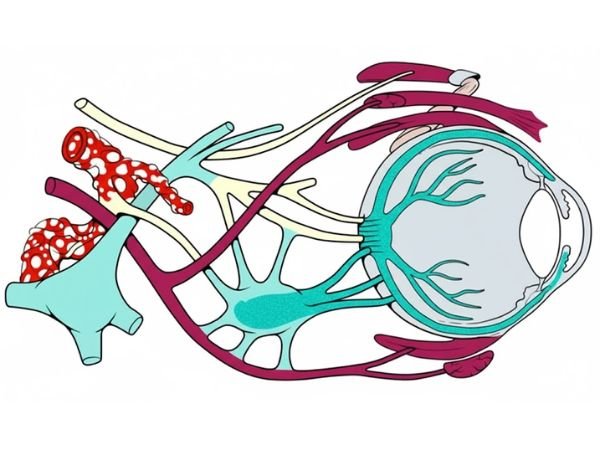
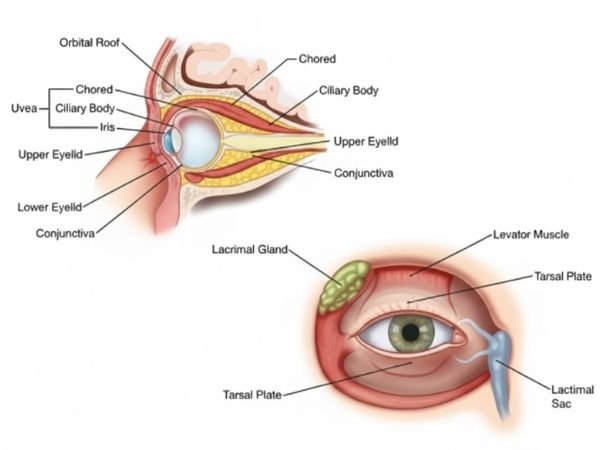
The eye is one of the body’s most sensitive and important organs. The orbit is a bony cavity that houses the eye along with muscles, nerves, blood vessels, and connective tissues responsible for vision and eye movement.
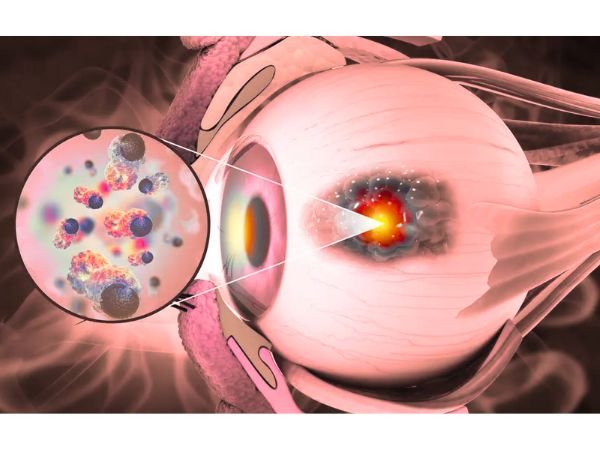
Any abnormal growth occurring in this area is known as an orbital tumour. Although the word tumour can sound frightening, it is important to understand that many orbital tumours are benign (non-cancerous) and can be treated successfully, especially when detected early.
This page provides a clear, patient-friendly explanation of everything patients and their families need to know about orbital tumours.
Orbital Tumours: What Are They?
An orbital tumour is an abnormal mass that develops inside or around the eye socket (orbit). These tumours may arise from:
Eye muscles
Optic nerve
Fat tissue
Blood vessels
Lacrimal (tear) gland
Surrounding connective tissue or bone
Depending on the type, orbital tumours may grow slowly or rapidly and can affect both adults and children.
Do All Orbital Tumours Have Cancer?
No. Orbital tumours are broadly classified into two categories:

Benign (Non-Cancerous) Tumours
Usually slow-growing
Do not spread to other parts of the body
May still cause symptoms by pressing on the eye or optic nerve
Common examples include:
Cavernous haemangioma
Dermoid cyst
Meningioma
Malignant (Cancerous) Tumours
Can grow rapidly
May invade surrounding tissues
Require prompt medical attention
Examples include:
Lymphoma
Rhabdomyosarcoma (more common in children)
Metastatic tumours spreading from other organs
Common Symptoms of Orbital Tumours
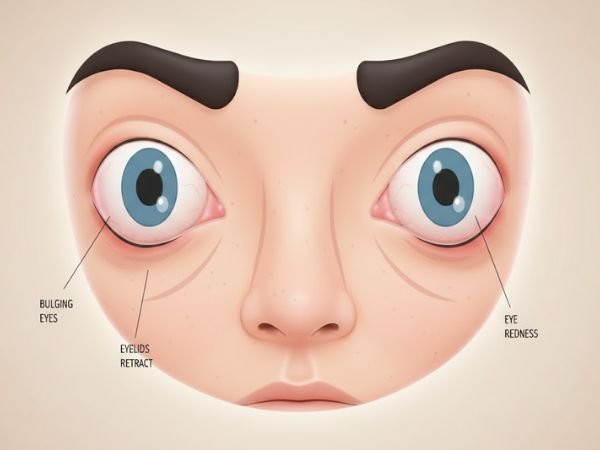
Symptoms depend on the tumour’s size, location, and growth rate. Common signs include:
Bulging of the eye (proptosis)
Double vision
Blurred or reduced vision
Eye pain or pressure
Restricted eye movement
Drooping eyelid
Redness or swelling around the eye
Facial pain or headaches
Note: Any persistent change in eye appearance or vision should be evaluated by a doctor promptly.
What Causes Orbital Tumours?
In many cases, the exact cause is unknown. Possible contributing factors include:
Congenital (present from birth) conditions
Abnormal tissue development
Inflammatory diseases
Cancer spread from another part of the body
Rare genetic factors
Wearing glasses, mobile phone use, or eye strain do not cause orbital tumours.
How Are Orbital Tumours Diagnosed?
Accurate diagnosis requires a combination of clinical examination and imaging tests.
Clinical Evaluation
Detailed eye and neurological examination
Vision testing
Eye movement assessment
Fundus (retina) examination
Imaging Tests
MRI scan: Best for evaluating soft tissue and nerve involvement
CT scan: Useful for detecting bone changes or calcification
Biopsy (If Required)
A small tissue sample may be taken to confirm the tumour type
Treatment Options for Orbital Tumours
Treatment depends on several factors, including:
Tumour type (benign or malignant)
Size and location
Patient’s age and symptoms
Effect on vision and nearby brain structures
Observation
Small, slow-growing benign tumours may only require regular monitoring
Surgery
Partial or complete tumour removal
Aims to preserve vision and eye movement
Performed using advanced microsurgical techniques
Radiation Therapy
Used when surgery is unsafe or incomplete
Commonly used for lymphomas or residual tumours
Chemotherapy
Mainly for malignant tumours, especially in children
Best outcomes are achieved through a multidisciplinary approach involving ophthalmologists, neurosurgeons, radiologists, and oncologists.
Is Orbital Tumour Surgery Safe?
Orbital tumour surgery is generally safe when performed with modern surgical techniques and imaging guidance. Risks depend on the tumour’s size and location and may include:
Temporary or permanent vision changes
Eye movement difficulties
Bleeding or infection
Your surgeon will carefully explain the benefits and risks before treatment.
Recovery After Treatment
Hospital stay usually lasts 2–7 days
Vision often improves gradually over several weeks
Regular follow-up visits and imaging are essential
Most patients return to normal activities within a few weeks
When Should You See a Doctor?
Seek medical attention immediately if you notice:
Sudden bulging of the eye
Rapid vision loss
Persistent eye pain
Swelling that does not improve with treatment
Early diagnosis can prevent complications and help preserve vision.
Conclusion
Although orbital tumours can be alarming, most cases have excellent outcomes with early diagnosis and appropriate treatment. Advances in neurosurgery and ophthalmology have made treatment safer and more effective than ever before.
If you or a loved one experiences unusual eye symptoms, do not delay medical consultation. Prompt care can protect vision and quality of life.
Frequently Asked Questions (FAQs)
Do orbital tumours pose a risk to life?
Most benign tumours are not life-threatening. Malignant tumours can usually be treated successfully if detected early.
Can orbital tumours cause blindness?
Some tumours may damage the optic nerve if untreated. Early treatment significantly reduces this risk.
Can orbital tumours recur after treatment?
Yes, some tumours may recur, making long-term follow-up essential.
Are orbital tumours common in children?
Certain types, such as rhabdomyosarcoma, are more common in children and require urgent treatment.
Will eye appearance return to normal after surgery?
In most cases, eye position and appearance improve significantly after treatment.
Is biopsy always necessary?
No. Many tumours can be diagnosed through imaging alone. Biopsy is done only when needed.
Can glasses or eye exercises cure orbital tumours?
No. Orbital tumours require medical or surgical treatment.
Can orbital tumours spread to the brain?
Most benign tumours do not spread, but some malignant tumours may extend to nearby structures if untreated.
Will treatment affect my long-term vision?
Treatment aims to preserve or improve vision. Early diagnosis offers the best chance of recovery.
How often are follow-up visits needed?
Initially every few months, then yearly, depending on tumour type and recovery.
Sources:
- https://www.ncbi.nlm.nih.gov/books/NBK585125/
- https://ijpo.co.in/archive/volume/7/issue/3/article/18004
- https://www.slideshare.net/slideshow/orbital-tumours/37197931
- https://www.msdmanuals.com/professional/eye-disorders/orbital-diseases/tumors-of-the-orbit
- https://emedicine.medscape.com/article/1218892-overview?form=fpf
- https://www.mdpi.com/2075-4418/12/10/2376
- https://neurosurgery.weillcornell.org/condition/orbital-tumors
- https://pubmed.ncbi.nlm.nih.gov/28399335/
- https://pubmed.ncbi.nlm.nih.gov/38753918/
- https://pubmed.ncbi.nlm.nih.gov/5640538/
- https://pubmed.ncbi.nlm.nih.gov/16724824/