Gamma Knife OVERVIEW
Gamma Knife cost AIIMS, Non-invasive brain tumor treatment India
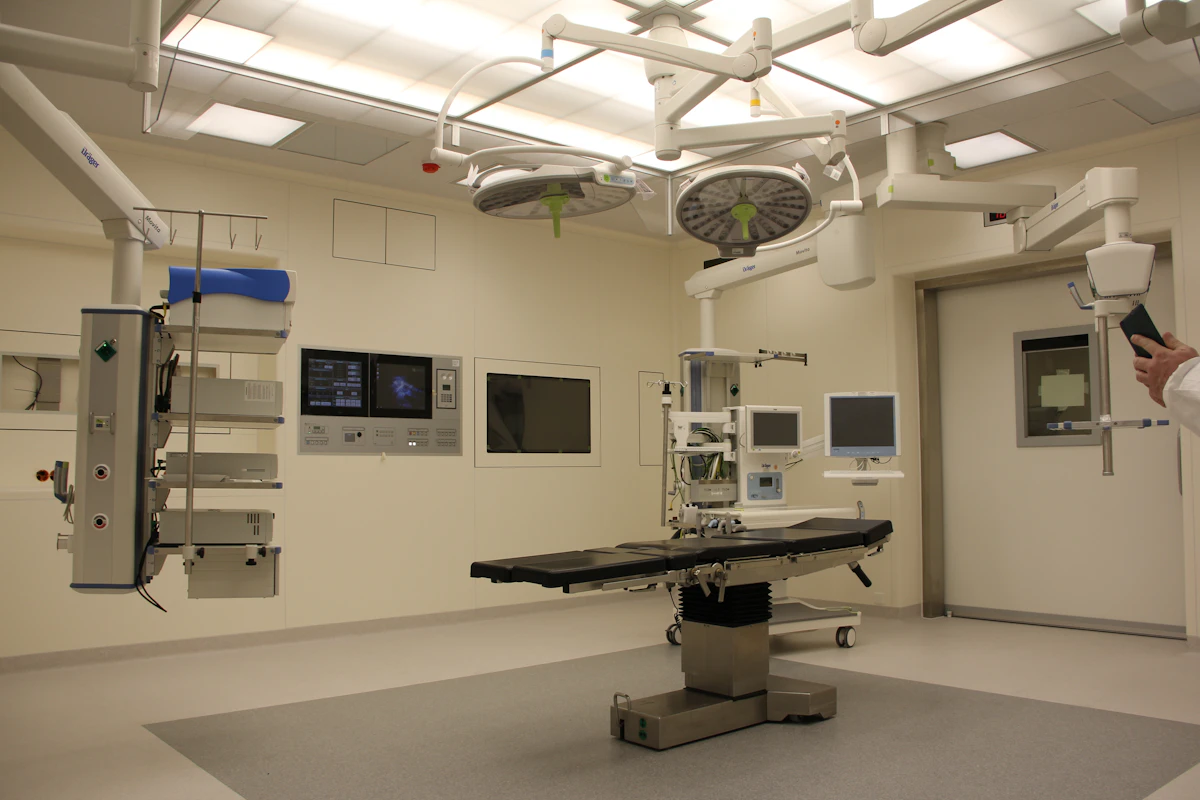
Overview
How Much Does AIIMS Delhi's Gamma Knife Treatment Cost?
Patients and their families may experience concern upon receiving a diagnosis of a brain tumour or other neurological disorder. One of the initial queries that many individuals pose is:
"How much would the treatment cost, and is it possible to treat it without open brain surgery?"
A precise and extremely accurate type of radiation therapy, gamma knife radiosurgery is used to treat specific brain tumours, vascular abnormalities, and neurological disorders. It doesn't require a large skull incision or a traditional surgical knife, despite the name.
Certain neurological and brain disorders have been treated with Gamma Knife radiosurgery at the All India Institute of Medical Sciences (AIIMS), New Delhi. The goal of the treatment is to reduce exposure to nearby healthy tissue while delivering targeted radiation to a particular target.
Gamma Knife treatment at AIIMS has been quoted at about ₹75,000, according to the published information on Gamma Knife, Proton Beam, or Cyber Knife? This should be treated as an indicative figure, not a guaranteed current quotation. Before starting therapy, you should confirm with the hospital the most recent applicable charges, investigations, and any additional fees.
This guide describes the cost of Gamma Knife treatment in India, how it operates, the conditions that can be treated, what patients should expect at AIIMS Delhi, and where to find out additional information about particular conditions.
Gamma Knife Radiosurgery: What Is It?
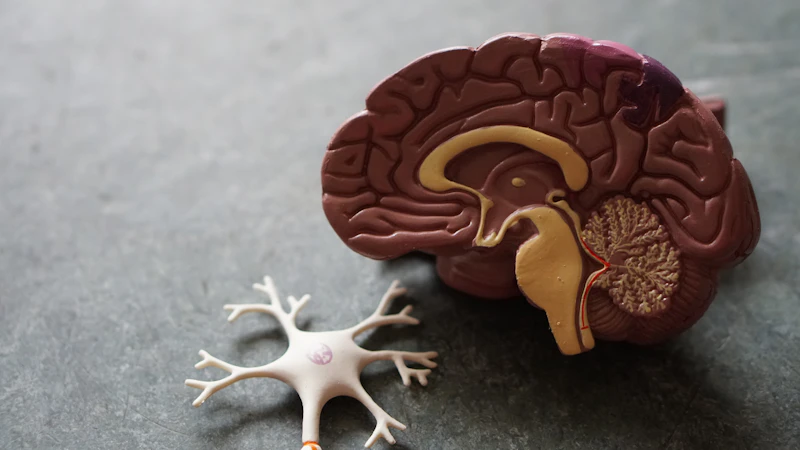
The Gamma Knife is an advanced stereotactic radiosurgery technology that targets specific abnormalities in the brain and its surrounding regions using carefully focused gamma radiation beams.
The radiation beams coverage on the planned target. This enables medical professionals to provide a precisely measured radiation dose while lowering the dose that a large portion of the surrounding healthy brain receives.
Although it is referred to as radiosurgery, gamma knife surgery differs from standard surgery. No brain incision is made, and tissue removal is typically not necessary for the procedure.
It might be taken into consideration under certain circumstances, like:
- • Brain tumours, such as vestibular schwannomas and certain meningiomas.
- • Cancers that have spread to the brain are known as brain metastases.
- • Abnormal connections between blood arteries are known as arteriovenous malformations (AVMs).
- • Severe facial discomfort is caused by a disorder called trigeminal neuralgia.
- • Specific pineal, pituitary, and skull-base abnormalities.
- • Some more neurological disorders require assessment by a specialist.
Not all brain tumours and neurological conditions can be treated with Gamma Knife. The diagnosis, tumour size, location, symptoms, prior treatment, and general health of the patient all influence the course of treatment.
Gamma Knife Prices in India and at AIIMS Delhi
Government hospitals and private medical centers charge different prices for Gamma Knife treatments. The treatment strategy, imaging demands, the quantity and size of targets, and the necessity of more surgeries can all affect the final amount.
| Treatment setting | Indicative cost |
|---|---|
| AIIMS Delhi | Approximately Rs 75,000, as quoted on the website |
| Private hospitals in India | Approximately Rs 2.8-5.6 lakh, as reported in the website's treatment comparison. |
| Additional investigations or care | Depends on individual requirements and hospital billing |
These numbers are not an accurate representation of the current hospital tariff; rather, they are approximate figures published on websites. They might not offer the same services or represent the same package. Verify the current charges directly with the treating hospital or AIIMS.
Read Gamma Knife, Proton Beam, or Cyber Knife? for more information.
Does each situation have a different price?
Even if two patients have the same diagnosis, the total cost may differ because Gamma Knife treatment is customised. Treating several brain metastases or a complex vascular malformation, for example, may need a different planning strategy than treating a single vestibular schwannoma.
The conditions discussed in Dr. Deepak Agrawal's Gamma Knife article collection are summarised in the following table. Usually for all Gamma Knife treatment AIIMS Delhi charges ₹75,000. The price of ₹75,000 is not an individually confirmed price for each of the conditions stated below; rather, it is a general indicative estimate issued for Gamma Knife at AIIMS. Without a hospital estimate, no condition-specific tariff should be anticipated.
| Condition | Gamma Knife cost information |
|---|---|
| Meningioma, including atypical and parasagittal/parafalcine types | Confirm the individual treatment estimate |
| Vestibular schwannoma, including selected NF2-associated cases | Confirm the individual treatment estimate |
| Glioma and glioblastoma | Eligibility and cost depend on the clinical plan |
| Brain metastases | Depends on the number, size and location of lesions |
| AVMs, including complex or large AVMs | Depends on the vascular anatomy and treatment plan |
| Trigeminal neuralgia | Confirm the applicable procedure charges |
| Pituitary, pineal and craniopharyngioma lesions | Depends on the diagnosis and treatment plan |
| Cavernous haemangioma and dural arteriovenous fistula | Requires specialist evaluation |
| Selected eye tumours and skull-base lesions | Depends on suitability and the treatment plan |
| Other rare tumours and selected functional disorders | Requires individual assessment |
Patients should find out if the estimate covers imaging, treatment planning, the radiosurgery surgery, medications, follow-up, and any extra investigations before making treatment plans.
How Does Gamma Knife Therapy Operate?
Treatment with a gamma knife usually involves multiple stages.
Expert advice
The patient's symptoms, prior medical history, MRI or CT scans, and other important medical records are examined by the neurosurgery team. There may be a need for more testing.
Precise imaging
The team uses detailed imagery to locate the target's precise location, size, and shape. Further vascular imaging may be necessary for specific vascular irregularities.
Planning a course of treatment
To calculate the radiation dose and the best way to administer it, experts use specialised planning software. The strategy is to treat the target while, to the greatest extent feasible, protecting adjacent essential structures.
Positioning and care
Depending on the method and clinical approach, a head frame or another suitable positioning system is employed. Focused radiation is delivered by the equipment while the patient lies on the treatment couch.
Observation and followup
Depending on their condition and the course of therapy, many patients can be discharged from the hospital on the same day. Imaging and follow-up visits are crucial for evaluating the response over time.
A tumour is typically not instantly removed by Gamma Knife. Depending on the condition being treated, the effects of radiation may take weeks, months, or more to manifest.
What Conditions Can Gamma Knife Treat?
A wide range of conditions are covered in Dr. Deepak Agrawal's Gamma Knife guide collection. Each topic is briefly introduced in the parts that follow, along with links to the in-depth articles.

1. Brain tumours and associated disorders
- Treatment options for meningiomas near the brain's midline are described in Gamma Knife Radiosurgery for Parasagittal/Parafalcine Meningiomas.
- Radiosurgery in certain cases of atypical meningioma is covered in Gamma Knife Radiosurgery for Atypical Meningioma.
- Treatment options for vestibular schwannomas linked to neurofibromatosis type 2 are covered in Gamma Knife Radiosurgery for Vestibular Schwannomas in NF2.
- The use of radiosurgery for specific pineal region tumours is discussed in Gamma Knife Radiosurgery in Pineal Region Tumour.
- Gliomas and the function of radiosurgery for specific clinical scenarios are introduced in Gamma Knife Radiosurgery in Gliomas: What Are They?
- The role of the gamma knife in glioblastoma is discussed, along with how it might be used in specific situations as part of a more extensive therapy strategy.
- The article "Radiosurgery with Gamma Knife for Craniopharyngiomas" discusses how to treat tumours that are close to vital hormonal and visual structures.
- Gamma Knife Radiosurgery for Functional Pituitary Tumours: This procedure treats specific pituitary tumours that increase the production of hormones.
- Radiosurgery for certain patients with numerous brain cancer deposits is covered in Gamma Knife in multiple Metastasis.
- Treatment options for an uncommon tumour close to the base of the skull are discussed in Gamma Knife Radiosurgery for Glomus Jugulare.
- Certain tumours close to the higher cervical region are covered by Gamma Knife High Cervical Lesions.
- A specific radiosurgical approach to certain ocular cancers is discussed in Gamma Knife for Uveal Melanoma; appropriateness relies on the exact diagnosis and available treatment choices.
- Gamma Knife Radiosurgery in Intracranial Angiosarcoma investigates the use of radiosurgery in the treatment of this uncommon and aggressive cancer.
2. Brain vascular abnormalities
For some abnormal blood-vessel connections and vascular tumours, a Gamma Knife may be taken into consideration. Long-term monitoring is still crucial because the reaction frequently takes time to develop.
- Treatment concerns for a particular type of cerebral AVM are explained in Gamma Knife Radiosurgery for Spetzler-Martin Grade III Cerebral Arterio-Venous Malformations.
- Fractionated Gamma Knife Radiosurgery for Large Arteriovenous Malformations: This article addresses fractionated or staged methods for certain large AVMs.
- AVMs in deep and complex areas of the brain are covered by Gamma Knife Radiosurgery for Basal Ganglia & Thalamic Arteriovenous Malformations.
- The role of radiosurgery in specific cavernous vascular lesions is examined in Gamma Knife in Cavernous Haemangioma; treatment choices are based on the diagnosis and available data.
- This rare abnormal shaped link involving the brain's coverings is covered in Gamma Knife Surgery in Intracranial Dural Arteriovenous Fistulas.
- A unique treatment-planning consideration for certain AVMs is explained in Draining Vein Shielding During Gamma Knife Radiosurgery in Intracranial Arteriovenous Malformations.
3. Functional disorders, facial pain, and other specific indicators
Gamma Knife is not just for brain malignancies. In certain neurological diseases, when a precisely targeted radiation dose may be helpful, it may also be taken into consideration.
- Gamma Knife Radiosurgery for Trigeminal Neuralgia describes how targeted radiation therapy may be used to treat excruciating facial pain.
- Gamma Knife Radiosurgery for Hypothalamic Hamartomas: This procedure treats specific hypothalamic lesions that are occasionally linked to seizures.
- In Gamma Knife Radiosurgery in Obsessive Compulsive Disorder (OCD), a highly specialised, uncommon treatment for carefully chosen situations of severe, treatment-resistant OCD is discussed.
- Radiosurgical considerations for big vestibular lesions are covered in Gamma-Knife Stereotactic Radiosurgery for large Vestibular.
- Juvenile Gamma-Knife Radiosurgery A vascular tumour in the nasal and skull-base region is referred to as a nasopharyngeal angiofibroma.
The treating team must decide whether radiosurgery is appropriate for uncommon illnesses and indications outside the typical scope of Gamma Knife, as well as whether another course of treatment will yield superior outcomes.
4. Recent advancements in Gamma Knife therapy
- How Artificial Intelligence Is Transforming Gamma Knife Treatment for Vestibular Schwannoma examines how AI could help with analysis and treatment planning.
- Can Brain Changes Following Gamma Knife Be Predicted by Blood Tests? The role of endostatin and VEGF in AVM patients is discussed, along with research on possible biological indicators following AVM radiosurgery.
- The article "How Gamma Knife Treatment Is Changing Pain Care" examines the use of targeted radiosurgery in a few different pain problems.
- Is It Now Possible to Treat Eye Cancer Without Major Surgery? AIIMS Delhi's Gamma Knife talks about radiosurgical treatments for specific eye malignancies.
- AuSpatial Radiation Mapping Culture Dish: Gamma Knife Study investigates a method for mapping radiation impacts in a lab scenario.
These papers span a range of clinical evidence levels, from speciality issues and developing research to established applications. A treatment is not always appropriate for every patient based on a study's findings.
CyberKnife vs. Gamma Knife vs. Proton Beam
When looking at non-invasive brain tumour therapy in India, patients frequently compare CyberKnife, Proton Beam Therapy, and Gamma Knife. They all use a radiation, but their methods for producing, delivering, and targeting it varies.
| Feature | Gamma Knife | CyberKnife | Proton Beam Therapy |
|---|---|---|---|
| Radiation type | Focused gamma radiation | Focused X-ray radiation | Proton particles |
| Main applications | Selected brain and skull-base lesions | Selected lesions in the brain and other body areas | Selected cancers, depending on diagnosis |
| Treatment approach | Highly precise stereotactic radiosurgery | Robotic image-guided radiation treatment | Specialised radiation treatment using protons |
| Cost | Often less expensive than proton therapy | Varies by centre and treatment plan | Generally expensive and availability is limited |
| Suitability | Depends on target location, size and diagnosis | Depends on diagnosis and treatment goals | Depends on tumour type and expected clinical benefit |
There isn't a single technology that works for every patient. Clinical data, lesion characteristics, anticipated benefits, hazards, and cost should all be taken into consideration while making a decision.
See the whole comparison: Cyber Knife, Gamma Knife, or Proton Beam?
Gamma Knife Advantages and Potential Drawbacks
Possible advantages
- ✓ No conventional brain incision during surgery.
- ✓ Extremely accurate delivery of radiation.
- ✓ Frequently carried out as a nursery practice.
- ✓ May be appropriate for specific lesions in hard-to-reach areas.
- ✓ In carefully chosen circumstances, decrease the necessity for conventional surgery.
Potential drawbacks and restrictions
Gamma Knife carries some risks. A headache, nausea, fatigue, or discomfort at the head-frame attachment locations may occur in certain people. Depending on the target and dose, there may be radiation-related oedema, altered neighbouring neurological function, or radiation damage.
The possibility of a delayed treatment impact is another significant drawback. For example, years of imaging follow-up may be necessary to ascertain whether an AVM has been totally destroyed.
Find out more about Gamma Knife Radiosurgery's Adverse Radiation Effects
How to Look into AIIMS Delhi's Gamma Knife Treatment
These doable actions could be helpful if you or a family member has been recommended Gamma Knife radiosurgery.

- 1. Set up a meeting with an expert: Visit the appropriate AIIMS department and adhere to its current referral and registration procedures.
- 2. Keep your prior medical records with you: Bring reports, MRI or CT scans, pathology findings, prescription information, and treatment records.
- 3. Find out if the Gamma Knife is appropriate: The diagnosis, lesion location, size, and other treatment choices must be evaluated by an expert.
- 4. Verify the total cost: Enquire about the most recent applicable fees and find out if imaging, planning, medication, and follow-up are covered.
- 5. Recognise the plan for follow-up: Find out how the treatment response will be evaluated and when additional MRI or other imaging may be needed.
- 6. Go to the official AIIMS Neurosurgery services page for information on the hospital: Verify the most recent information directly with AIIMS as clinic scheduling and processes are subject to change.
In Conclusion
Gamma Knife radiosurgery represents a valuable treatment option for certain brain tumours, vascular anomalies, and neurological disorders. Its accuracy and minimally invasive nature may offer an alternative to traditional surgery in suitable cases, though it is not appropriate for all conditions.
The published estimate of roughly ₹75,000 for Gamma Knife treatment at AIIMS Delhi serves as an initial guideline for patients exploring treatment expenses. Nevertheless, the actual payable amount and costs related to a personalised treatment plan need to be confirmed directly with the hospital.
Comprehending the diagnosis, available treatment alternatives, expected benefits, potential side effects, and the necessity for long-term follow-up is equally important as understanding the cost. Consultation with a specialist can assist patients in making an informed choice tailored to their medical requirements.
FAQ’s
1. What is the cost of Gamma Knife treatment at AIIMS Delhi?
The website lists an approximate cost of ₹75,000. This figure is indicative and does not represent a fixed current price or a condition-specific quote. It is advisable to verify the latest fees directly with AIIMS.
2. How much does Gamma Knife surgery cost in India?
Prices differ depending on the hospital, location, diagnosis, and treatment plan. The website comparison suggests a range of about ₹2.8 lakh to ₹5.6 lakh for private hospitals, though actual charges may vary.
3. Is Gamma Knife a form of brain surgery?
Gamma Knife is classified as radiosurgery but does not involve a traditional surgical cut into the brain. Instead, it delivers precisely targeted radiation to specific areas.
4. Can Gamma Knife treat all types of brain tumours?
No. Its suitability depends on factors such as tumour type, size, location, symptoms, and treatment objectives. Some patients may require conventional surgery, medication, standard radiotherapy, or a combination of treatments.
5. Can Gamma Knife be used to treat meningioma and vestibular schwannoma?
It may be appropriate for certain meningiomas and vestibular schwannomas. The specialist evaluates tumour size, growth, hearing or neurological symptoms, and proximity to critical structures before recommending treatment.
6. Is Gamma Knife effective for glioma or glioblastoma?
Gamma Knife is not the standard treatment for all gliomas or glioblastomas. It may have a limited role in specific cases, while treatment usually involves a comprehensive plan based on tumour type, grade, and other clinical considerations.
7. Can Gamma Knife be used to treat AVMs?
Gamma Knife may be employed for selected brain arteriovenous malformations (AVMs). The abnormal vessels often take time to close, and the patient remains at risk until complete obliteration is confirmed. Regular imaging follow-up is crucial.
8. Is Gamma Knife helpful for trigeminal neuralgia?
Yes, it can be an option for certain patients with trigeminal neuralgia, a condition causing intense facial pain. The expected benefits, time to pain relief, and potential side effects should be discussed with a specialist.
9. Is Gamma Knife treatment painful?
The radiation itself is generally painless. However, if a head frame is used, local anaesthesia may be required at the attachment sites, which can cause temporary discomfort.
10. How long does a Gamma Knife treatment session last?
Treatment can range from about 30 minutes to several hours, depending on the plan. Preparation and imaging take additional time, and most patients are able to return home the same day.
11. What side effects might occur after Gamma Knife treatment?
Possible side effects include headache, nausea, fatigue, tenderness at frame sites, and occasionally delayed radiation-induced swelling or injury. Risks vary depending on the target area and radiation dose.
12. Is Gamma Knife superior to CyberKnife or Proton Beam Therapy?
Not in all cases. Each technology has distinct uses. The best choice depends on the diagnosis, treatment goals, clinical evidence, availability, and cost.
13. Is follow-up necessary after Gamma Knife treatment?
Yes. Physicians may recommend repeat MRI or other imaging to evaluate treatment response. The frequency of follow-up depends on the condition, with some vascular abnormalities requiring long-term monitoring.
14. How can I determine if I am eligible for Gamma Knife at AIIMS Delhi?
Consult the relevant specialist at AIIMS, bringing your scans, reports, and previous treatment records. The medical team can assess whether Gamma Knife is appropriate and explain the subsequent steps and expected costs.
15. Does the quoted ₹75,000 cost cover all investigations and follow-up?
Do not assume it does. Request a current itemised estimate from AIIMS and clarify which investigations, medications, treatment planning, and follow-up expenses are included.
16. Can Gamma Knife for eye tumours or rare neurological disorders?
It may be considered for certain cases, but suitability varies widely. Rare tumours, ocular conditions, and functional disorders require specialist evaluation and discussion of alternative treatment options.